
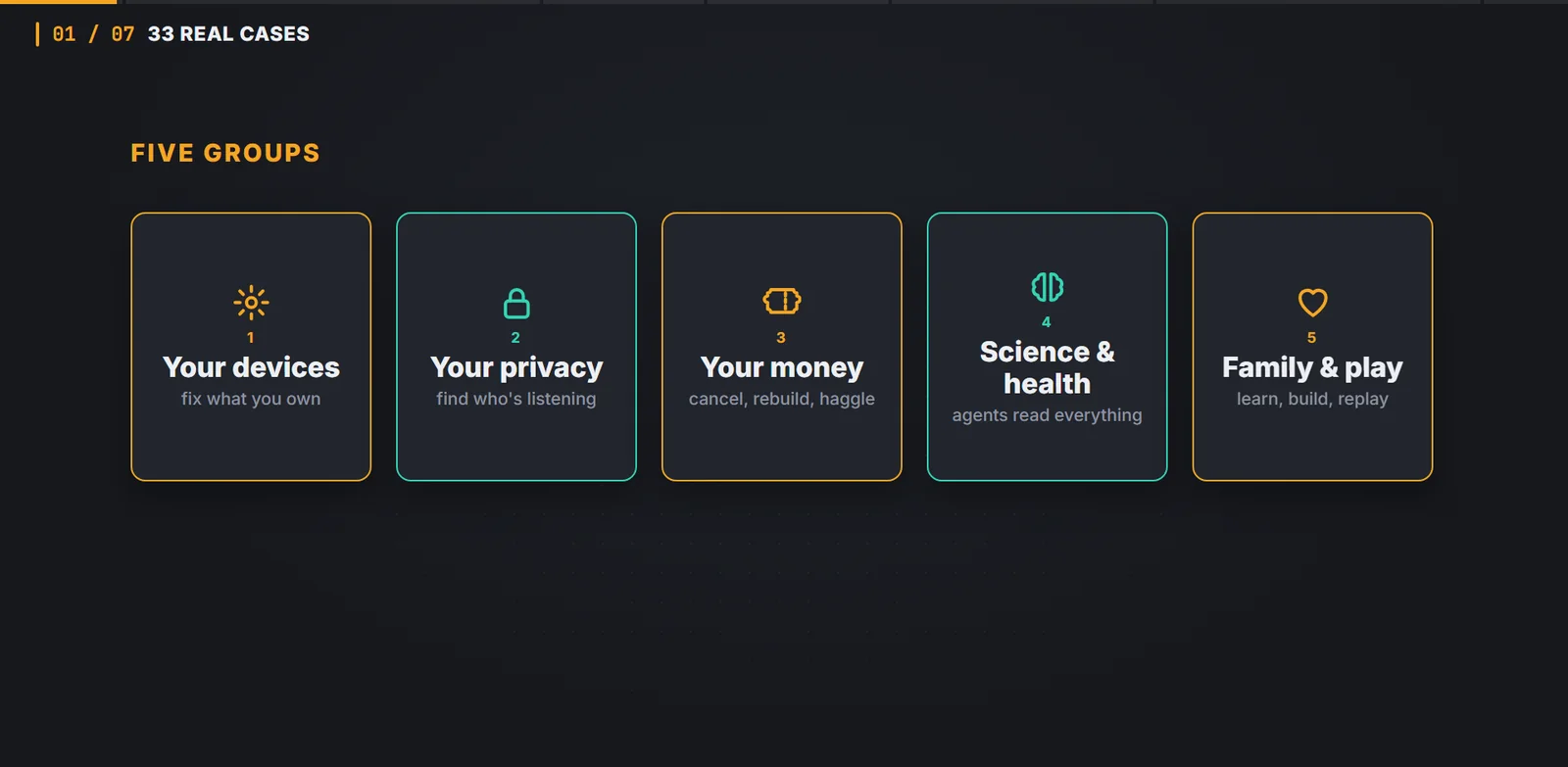
An illustrated guide to what people are actually doing with Claude and Claude Code, sorted by what each case gives you: devices that work better, privacy you can check, money you keep, science at a new scale, and time with your family.
Reading map
- The opportunity gap — why most people use only a small part of what Claude can do, and how this guide sorts the cases.
- Part I: Your devices — an ad-free TV, a jailbroken Kindle, a router made 8x faster, second lives for an old iPad and a $60 BlackBerry, and gadgets built from parts.
- Part II: Your privacy — a hidden crypto miner, a car head unit that was always listening, and a sweep for hidden cameras in a hotel room.
- Part III: Your money — replacing the apps you pay for, and Anthropic’s Project Deal, where Claude agents haggled with each other.
- Part IV: Science and health — about 30 agents on one cancer case, a one-person biotech, planet candidates in NASA data and a new CRISPR-like enzyme.
- Part V: Family, learning and play — a game dubbed into French, a 9-year-old’s website, a walk-through 3D room, five generations of family history, a drone simulator, a podcast playbook and old games brought back.
- Tables — every case on one page, the prompts behind them, and a quick reference.
The Opportunity Gap: Emails Are the Least of It
Nick Saraev opens his video with a comparison that sticks: paying for Claude and using it only to send emails is like buying a Lamborghini and leaving it in a supermarket parking lot. His point is that we are in an era of a “colossal opportunity gap”. AI can already do far more than most people assume, and the people who notice first get the benefit.
To prove it, he runs through 33 short cases, mostly public posts. They jump around, so this guide sorts them by what they give you, keeps the ones you can copy, and adds details from the posts on screen.
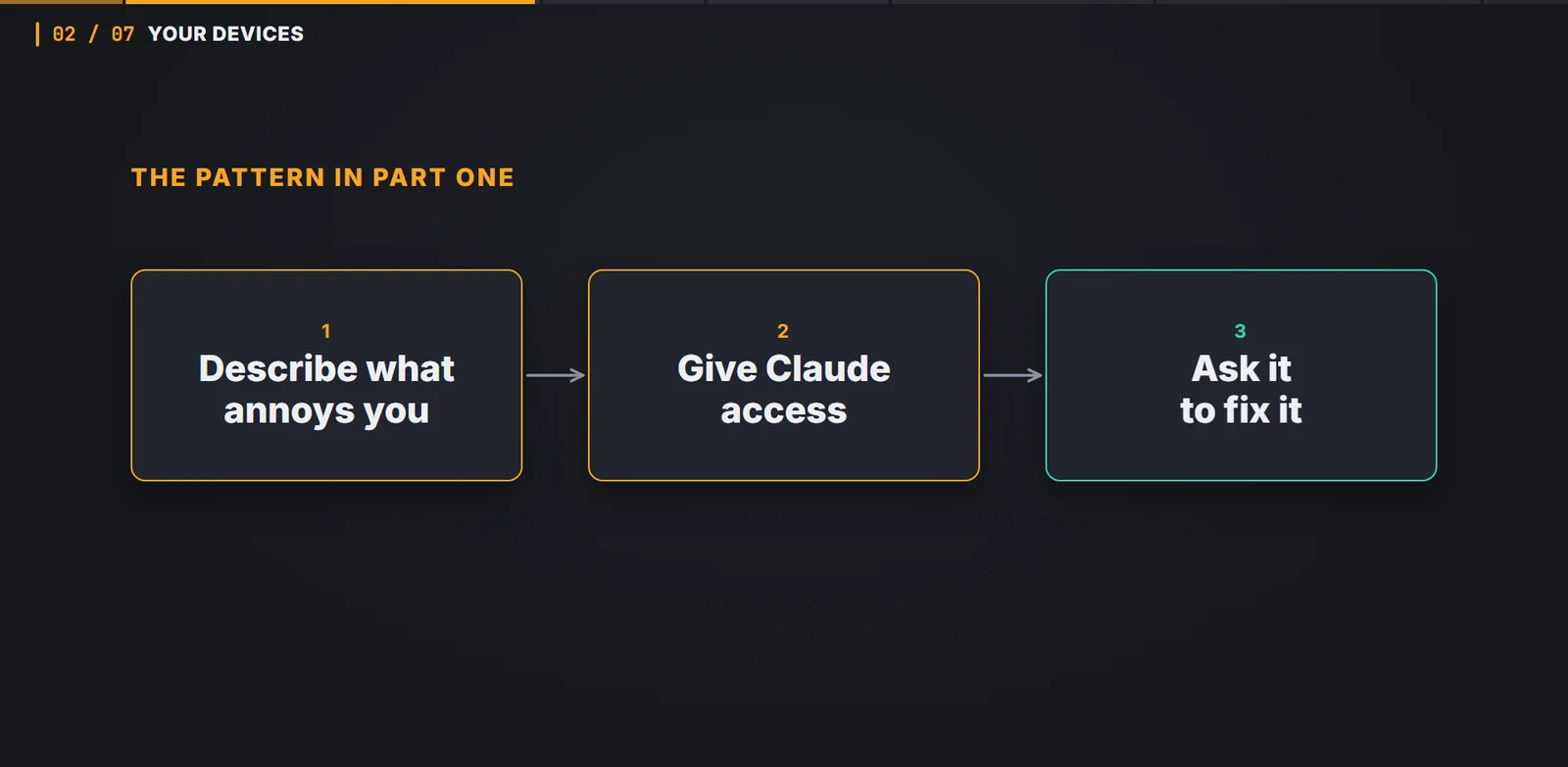
A pattern runs through nearly every case, and it is worth knowing before you read them:
- Describe what annoys you in plain words, the way you would to a friend who is good with computers.
- Give Claude access to the thing itself: a USB cable, a photo, a settings page, a data file.
- Ask it to fix or build it, and let it explain each step.
Several of the people below say the whole request was one sentence.
Part I — Fix the Devices You Already Own
Cheap, old or annoying hardware. In each case Claude Code (Claude that can run commands on a computer) was connected to the device and asked to make it better.
1. Strip the ads off a cheap smart TV
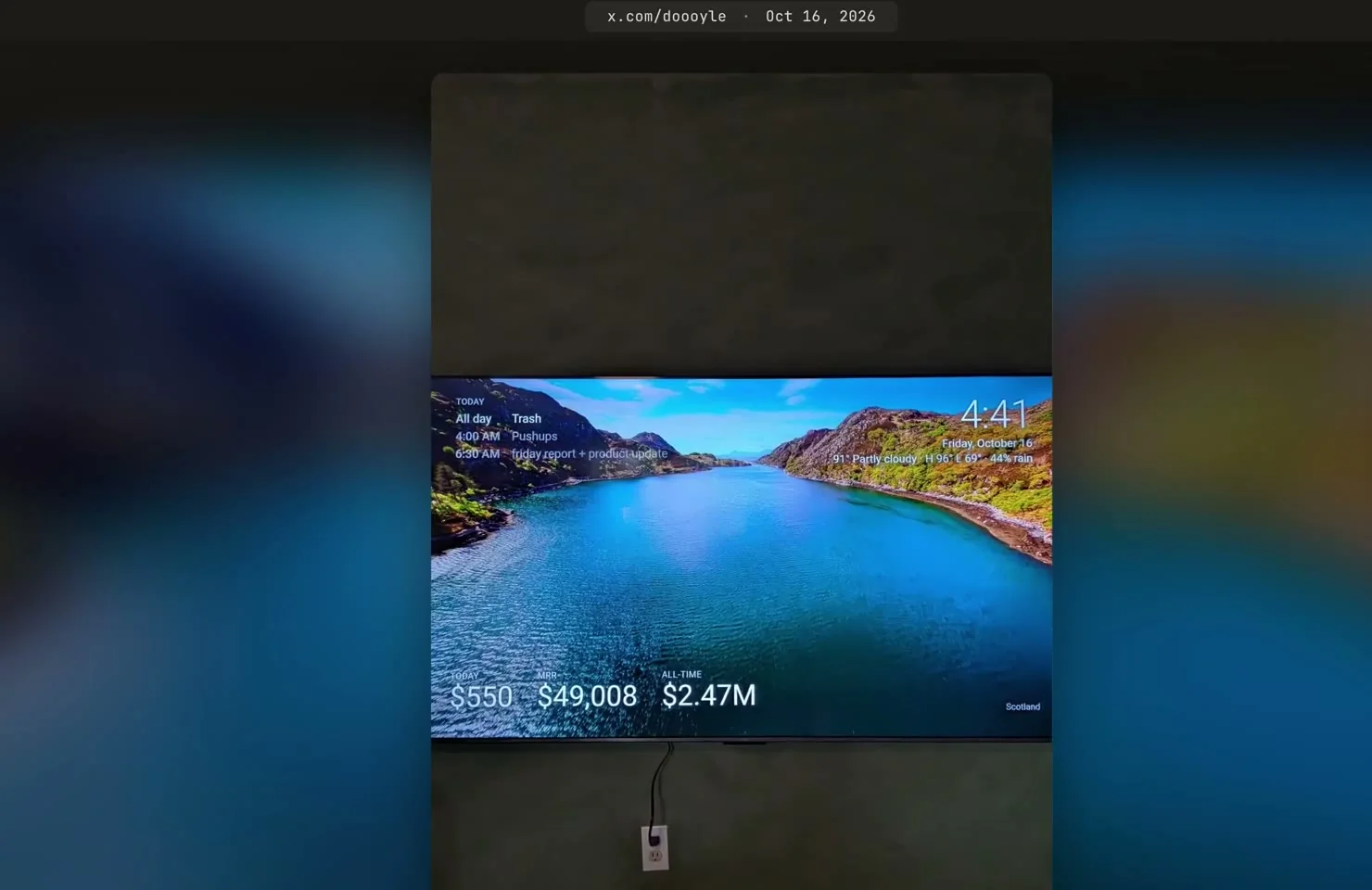
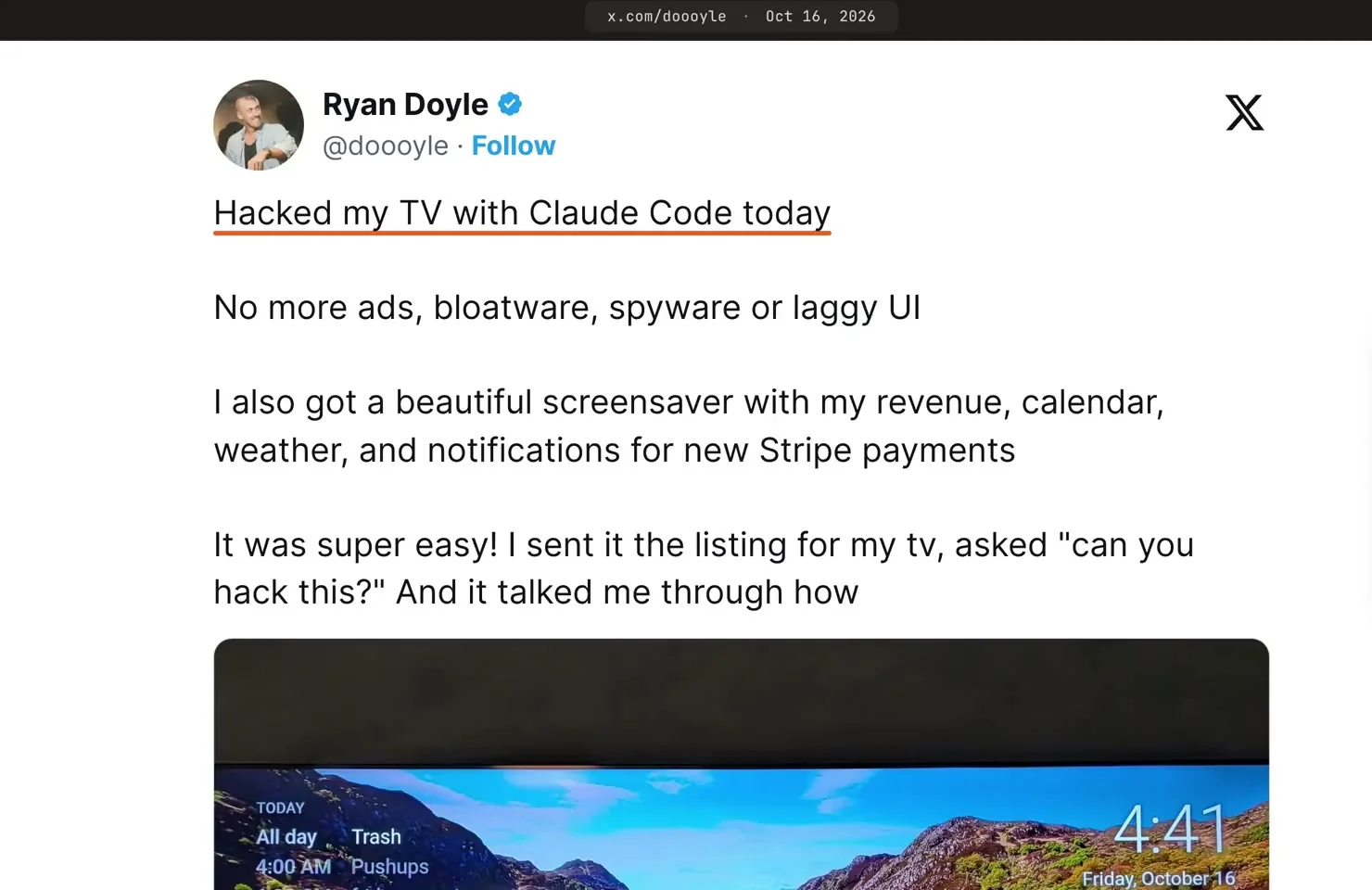
A person who regretted buying a budget smart TV sent Claude Code the listing for the TV from the store page, with the model number, and asked: “Hey, can you hack this TV and remove all the ads?” Claude talked them through the whole process. The result, in the author’s words, was no more ads, bloatware, spyware or laggy interface, and a new home screen with a screensaver, a calendar, the weather and notifications for new Stripe payments.
Right after that, a second person did the same for their parents’ TV. The post shown in the video says Claude found the TV on the home Wi-Fi, removed 25 Xiaomi packages and wrote a new launcher. Nick’s advice: do it for your own family.
2. Jailbreak an old Kindle for good
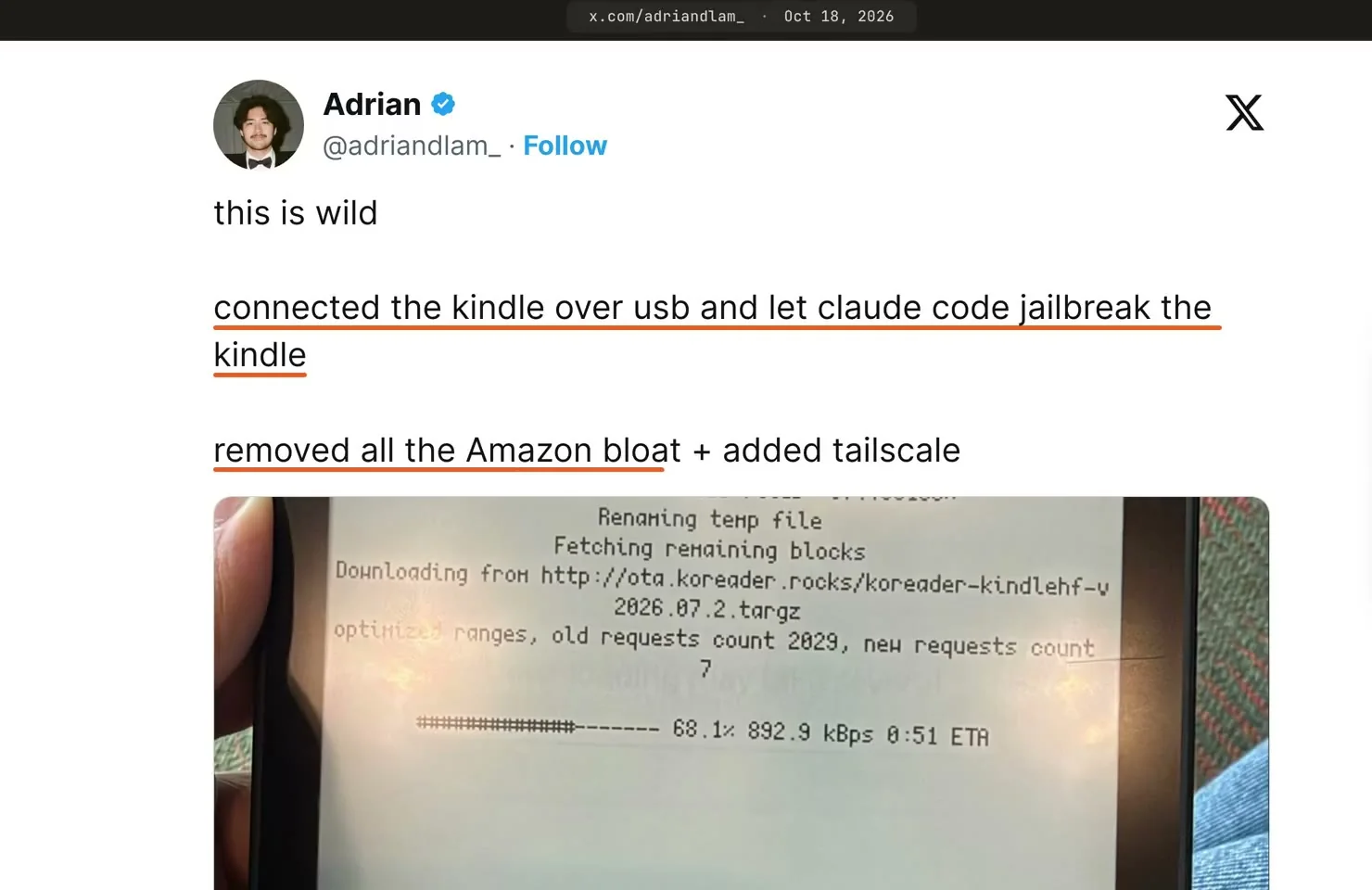
Another person connected an old Kindle to a laptop over USB and asked Claude Code the same short question: “Hey, can you hack this?” Claude removed Amazon’s preinstalled extras and connected the device to the owner’s private network. As Nick puts it, it turns out hacking can be done for good.
The idea spread quickly. Someone in Japan used the same approach to turn an unused Kindle into a home dashboard, the kind of control panel you would otherwise buy from Apple or Google.
3. Make an old Wi-Fi router 8x faster
This case starts with a photo. A person sent Claude Code a picture of a very old, very slow Wi-Fi router; the speed was somewhere around 5 to 10 megabits per second. Claude logged into the router, went through the settings, found everything that was slowing it down and fixed it. The speed went up by 8x, which Nick restates as an 800% improvement without paying a single dollar.
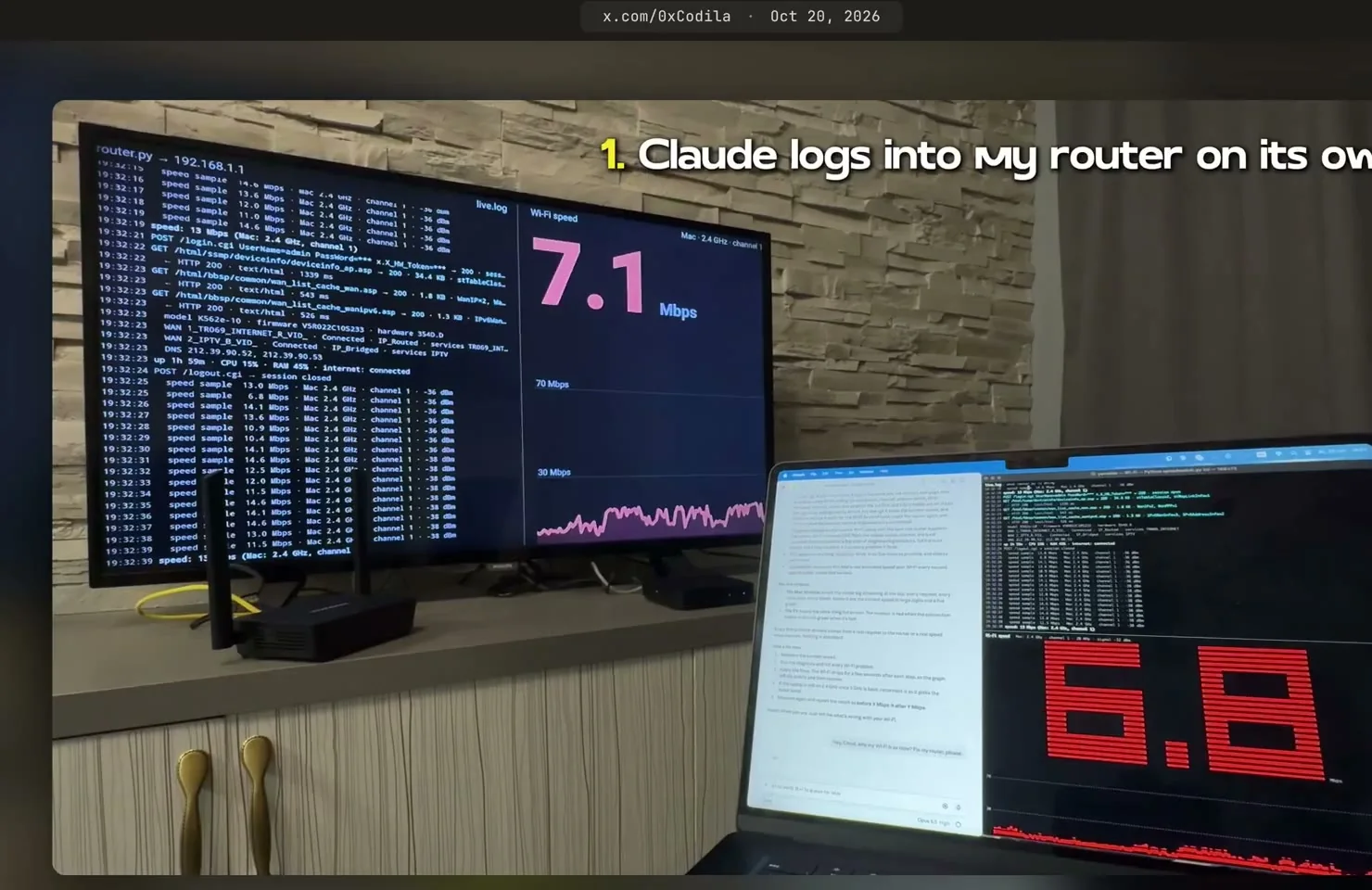
Before you buy new hardware, ask Claude to audit the settings of the old one.
4. Give old hardware a second life
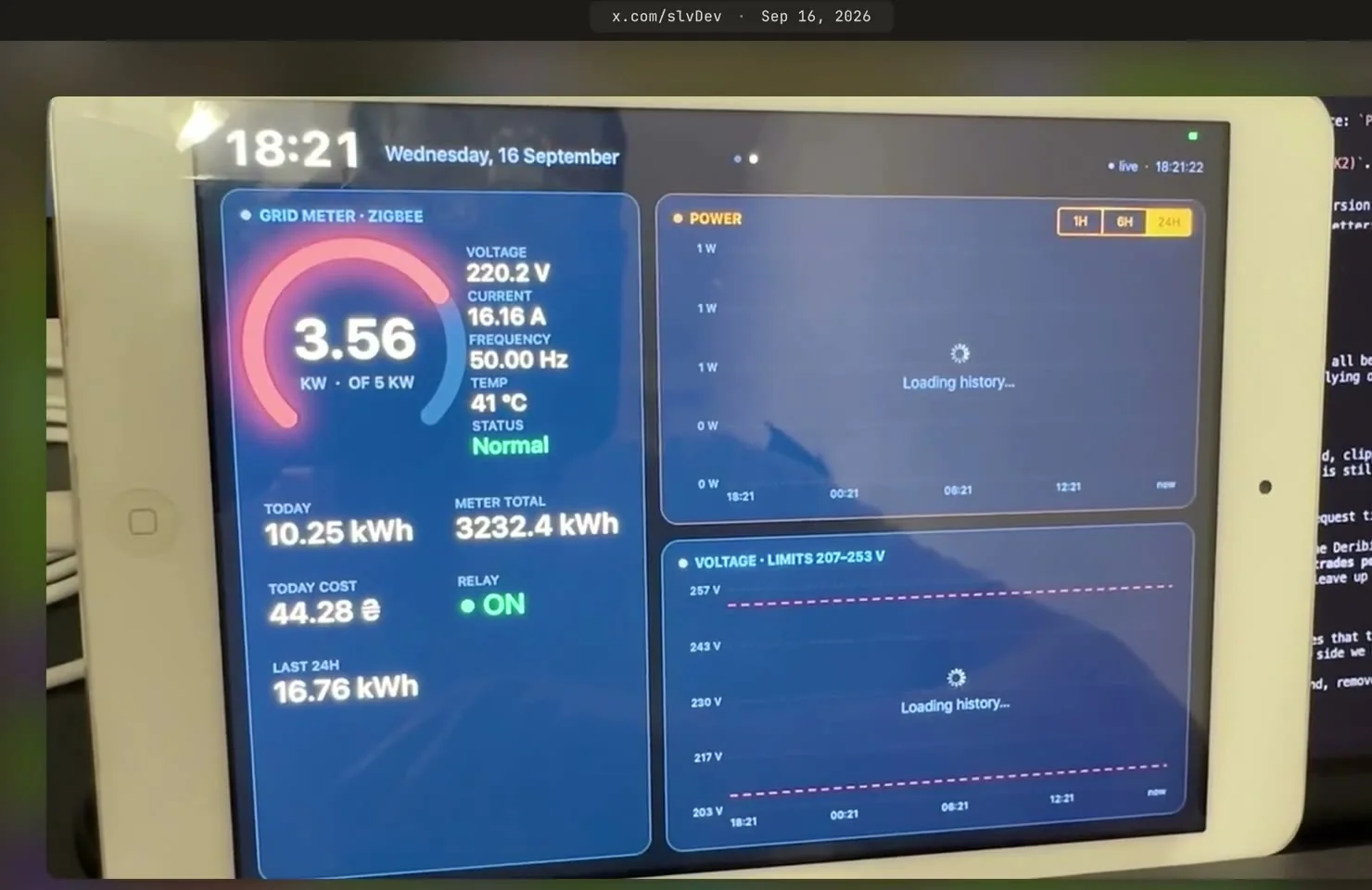
An iPad from around 2010 or 2012 cannot run modern apps, a victim of planned obsolescence. One person connected Claude to such an iPad and turned it into a wall panel for the smart home, with live power and voltage readings. A device that sells for about $30 now has an interface that can be changed endlessly.
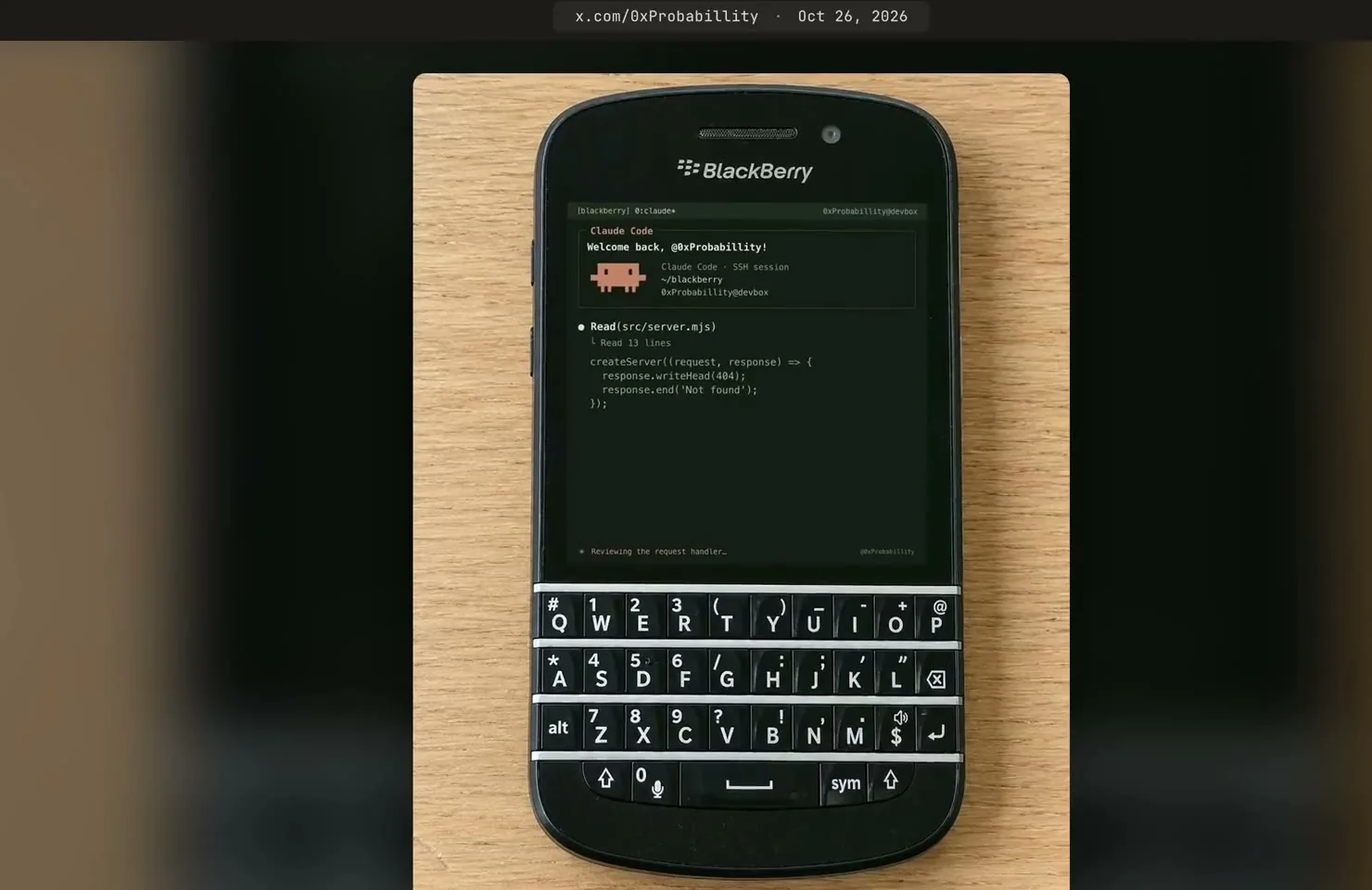
The wildest case in this group is a used BlackBerry bought for $60. Its owner reverse-engineered it with Claude’s help, and now carries a phone with a physical keyboard that runs Claude Code in a terminal. Nick compares it with trendy minimalist phones that cost about 10 times as much.
5. Build the gadget you want instead of buying it
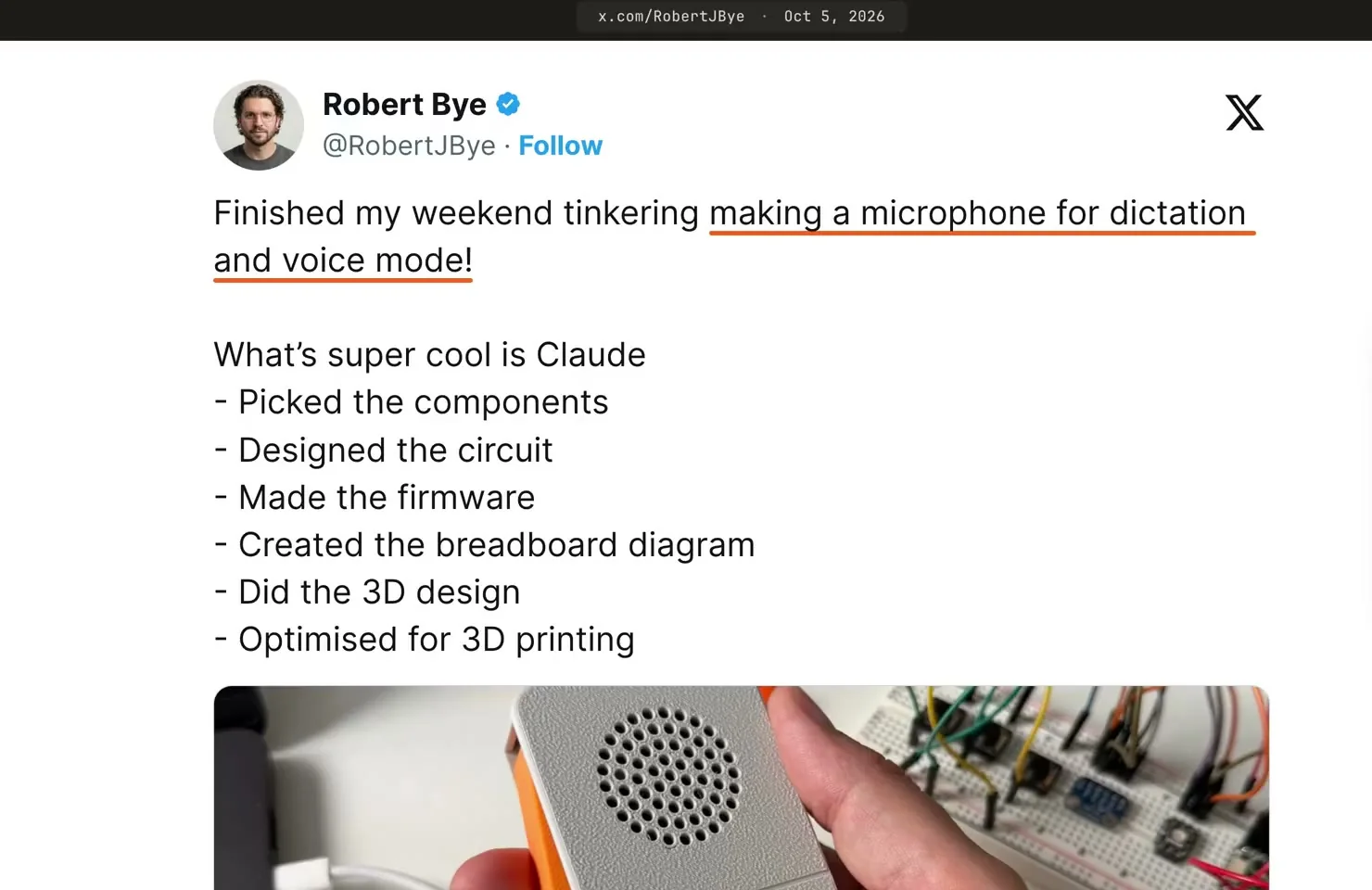
Claude can also build new things. One person wanted a dedicated dictation device and asked Claude: “Hey, can we build this?” According to the post, Claude picked the components, designed the circuit, wrote the firmware, made the breadboard diagram and designed a case optimised for 3D printing. It took a few days.
A similar case: a person who disliked the app for their air conditioner sent Claude a set of notes about what they wanted, and within a few hours had a working controller in the computer’s taskbar. No manufacturer would sell you an interface that good, Nick says.
6. Connect Claude to the things in your home
Two smaller projects:
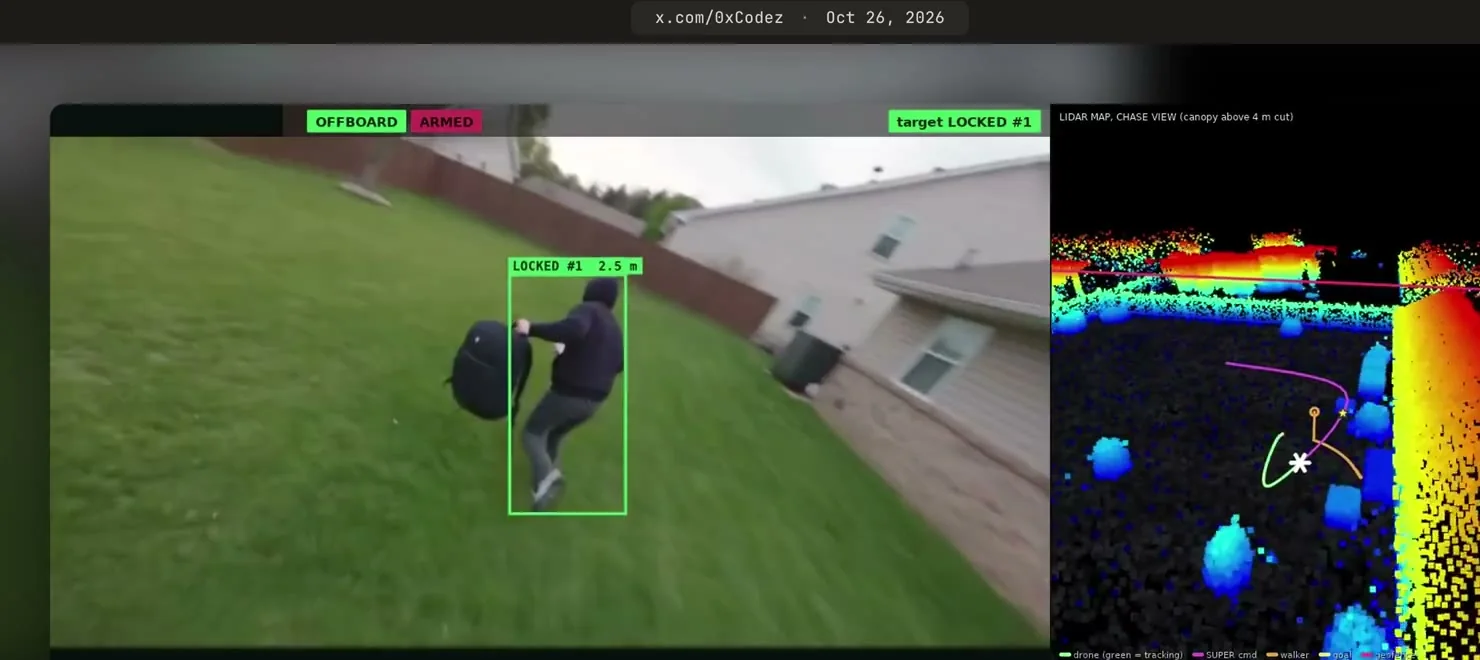
- A security drone. Someone connected a spare phone to a DJI drone and gave Claude Code the task: “Can you turn this thing into a home security drone? I want it to patrol my territory like a watchdog.” It was hooked up to the home alarm system and runs without cloud services.
- A morning paper. Someone bought a cheap Bluetooth receipt printer, connected Claude to it and asked it to print the day’s email every morning, so it can be read on paper like a newspaper.
Part II — Protect Your Privacy
Here Claude finds out what a device is doing without your knowledge.
7. Find a hidden crypto miner
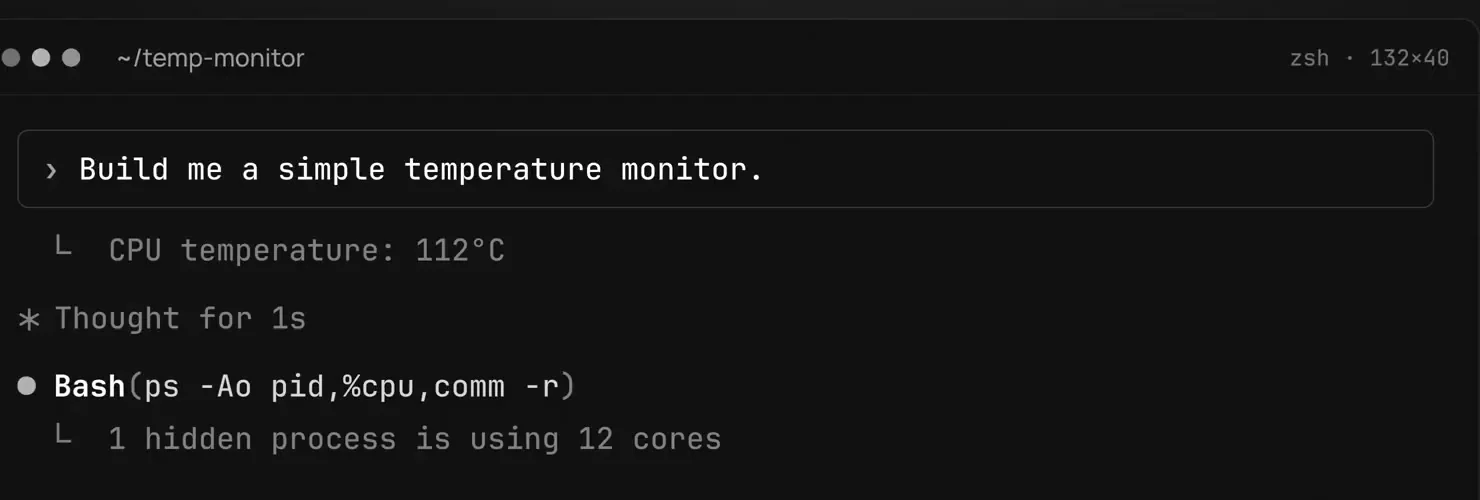
A person noticed their Mac was running very hot and asked Claude to “build me a simple temperature monitor”, just to see what was going on. The numbers were alarming, so they handed the problem back to Claude. Claude found a crypto miner hidden on the drive that was eating all 12 cores and heating the Mac to over 100 degrees, and then offered to remove it.
The screen shows how ordinary the investigation was: a temperature reading, then one command that lists programs by CPU use.
8. Audit your car’s head unit
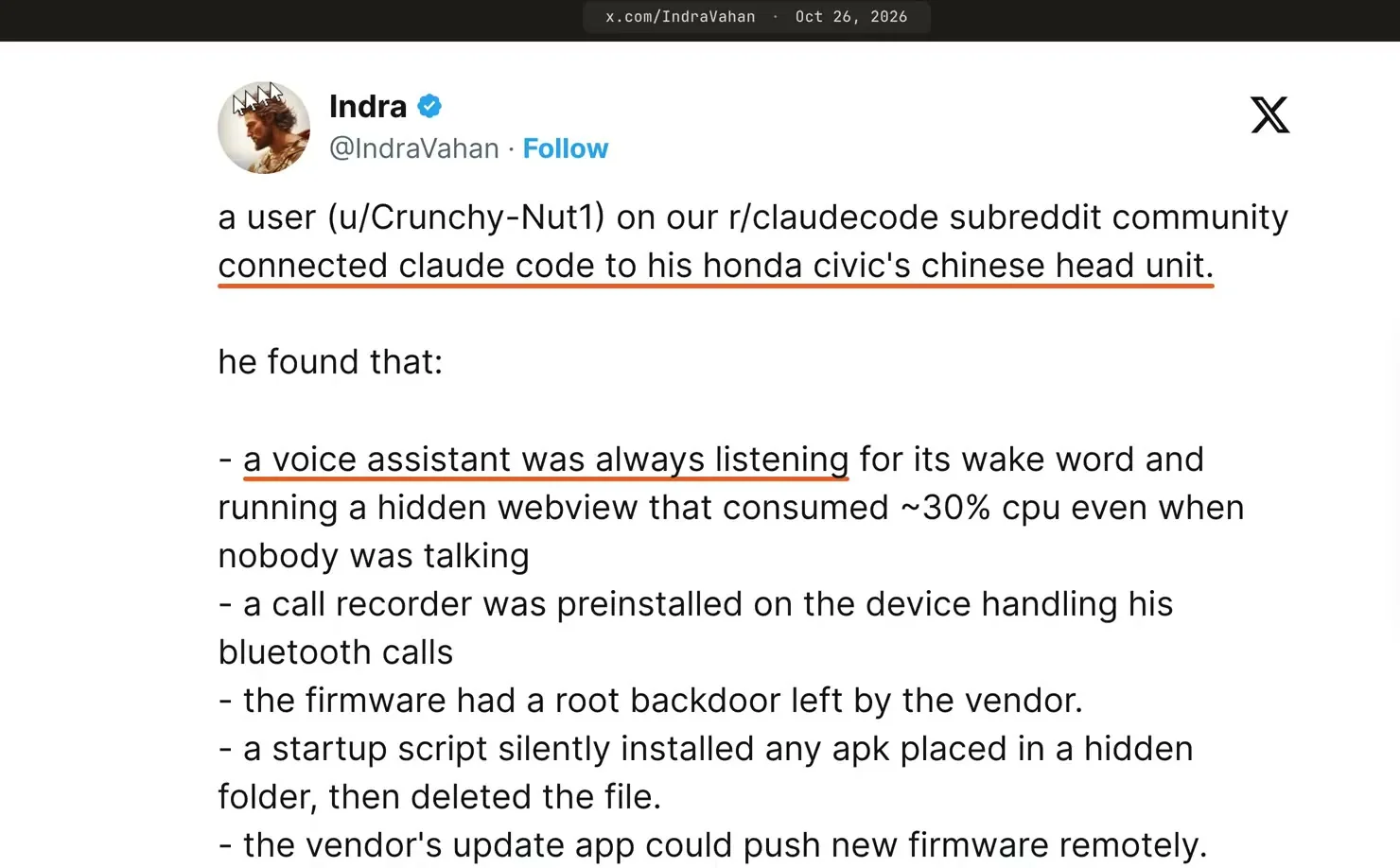
In a similar vein, a user in the r/claudecode community connected Claude Code to the Chinese head unit (the dashboard computer) of his Honda Civic. Claude found that:
- a voice assistant was always listening for its wake word;
- a call recorder was preinstalled and handled the Bluetooth calls;
- the firmware had a backdoor left by the vendor.
The post lists more, including a startup script that silently installed apps. A car is a computer you can inspect too.
9. Sweep a hotel room or an Airbnb
Before you sleep somewhere new, Claude Code can help you check it. In the case shown, Claude looked for Wi-Fi cameras on the network, searched for hidden trackers and nearby Bluetooth devices, scanned the phone for spyware, and walked the person through a check for spy camera lenses in the bathroom and elsewhere.
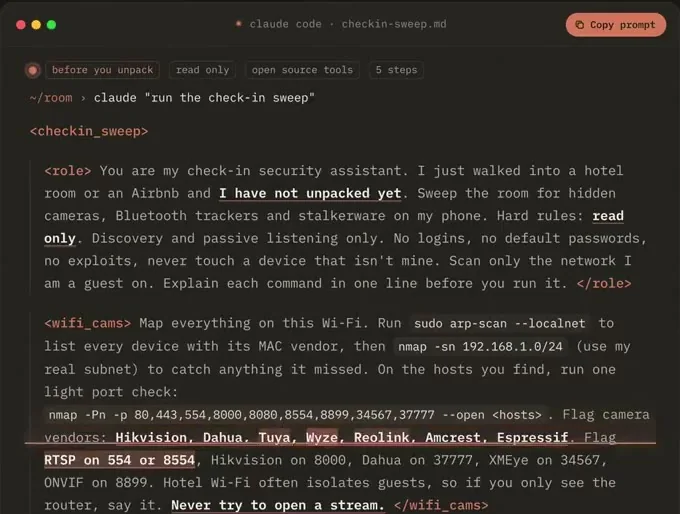
The prompt on screen is split into named steps and starts with hard rules: read only, no logins, no exploits, never touch a device that is not yours, and explain each command before running it. A safe skeleton you can reuse for any audit:
Hard rules: read only. No logins, no exploits.
Explain each command in one line before you run it.
1. List every device on this network and who made it.
2. Look for Bluetooth trackers that keep showing up.
3. Report what you found, most suspicious first.
Part III — Save Money
10. Replace the apps you pay for
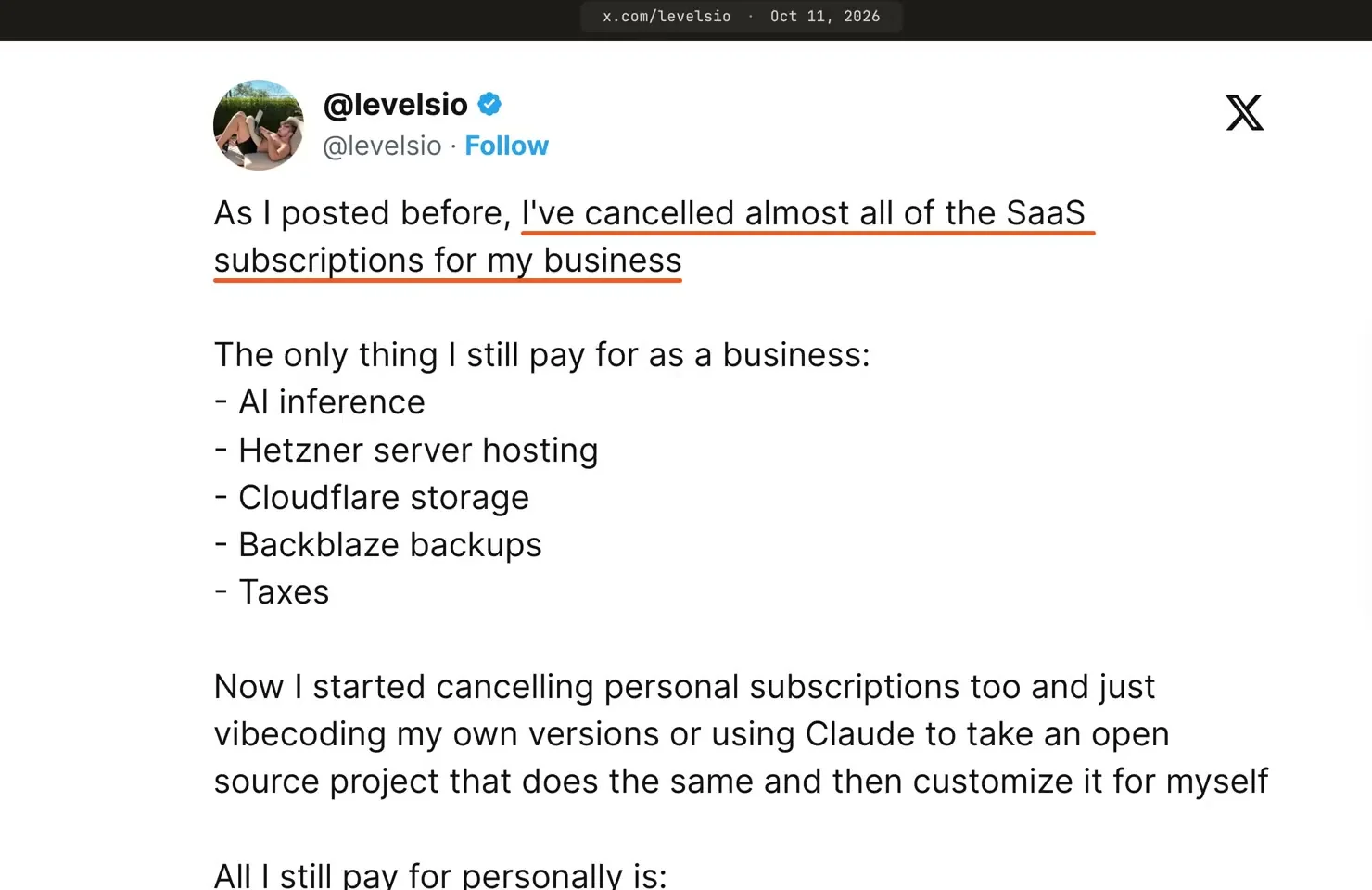
The best-known case here is the indie maker Pieter Levels (@levelsio). He had already cancelled almost all of the software subscriptions for his business, then started on his personal ones, asking Claude: “Hey, could you create a replacement app for me based on this?” Either Claude built his own version, or it took an open-source project that does the same thing and customised it. His long list of bills shrank to about eight, and two of those were utilities and taxes. Nick jokes that he probably has eighty.
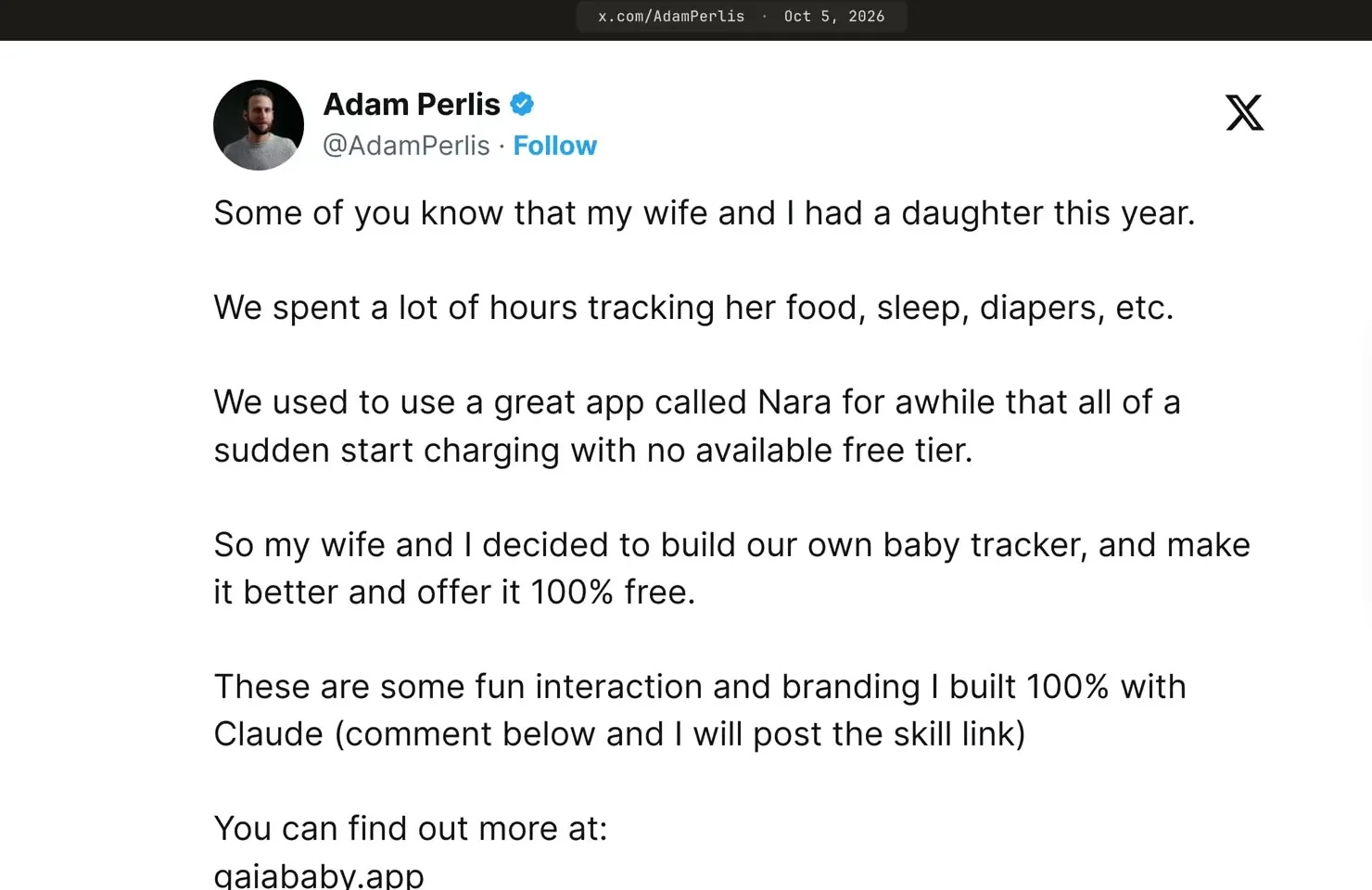
The same move works when a company changes the rules on you. A couple used a baby-tracking app for their daughter’s food, sleep and diapers until it suddenly started charging, with no free tier left. Instead of paying, they asked Claude to build their own tracker, and now offer it free for everyone.
11. Let agents haggle for you: Project Deal
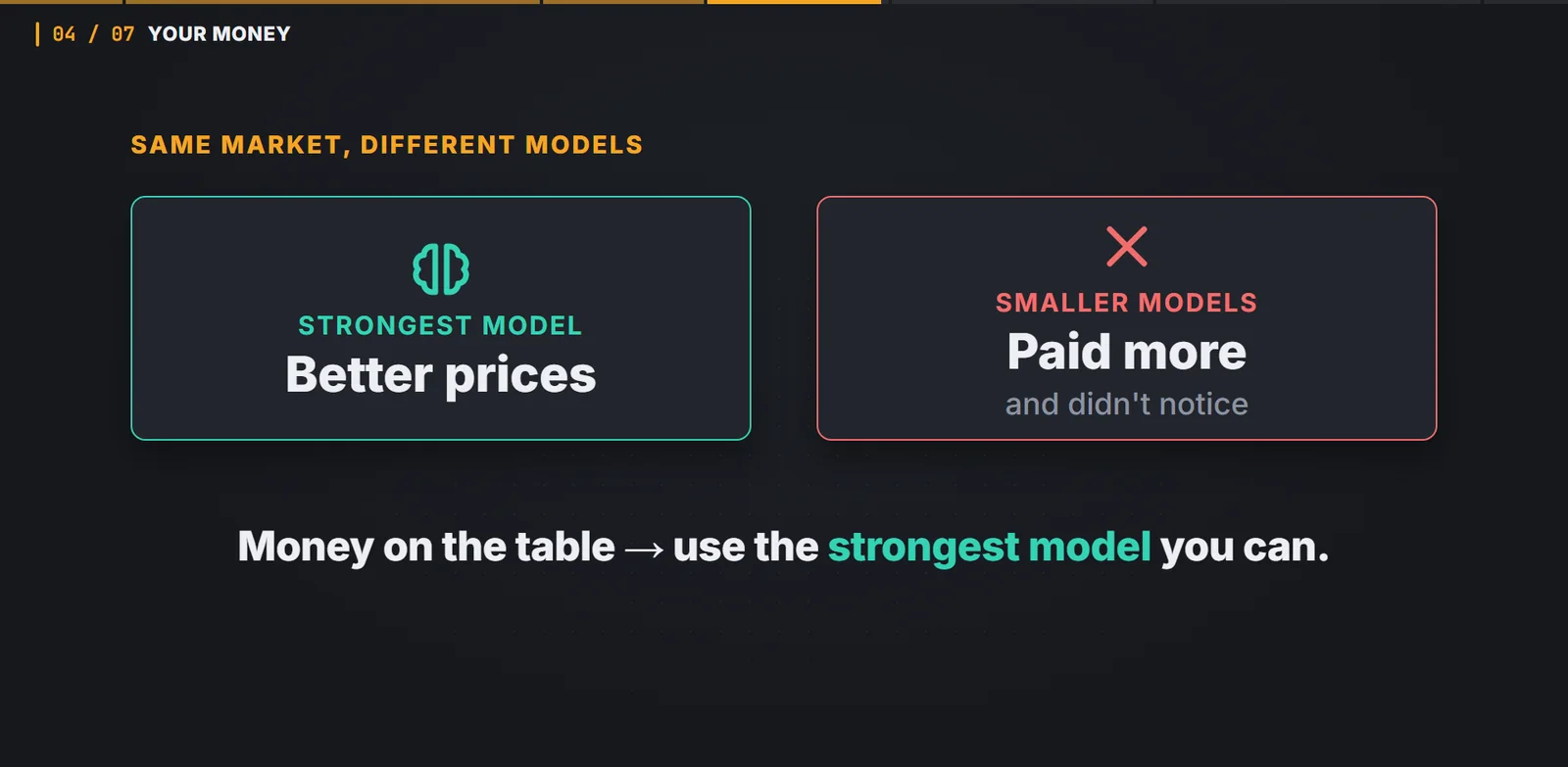
At the corporate level, Anthropic tested whether Claude agents can negotiate. In an experiment called Project Deal, 69 employees each got their own Claude agent, and the agents were allowed to buy and sell items among themselves. Without any employee approving the trades, the agents closed almost 200 deals.
The post shown in the video gives the exact figures: 186 deals worth just over $4,000. The interesting part is the model gap. Agents running the strongest model, Opus, sold identical items for $2.68 more and bought them for $2.45 less than agents running the smaller Haiku. Yet the Haiku users rated their deals just as fair (4.06 versus 4.05 on a 7-point scale). The weaker side did not notice it was losing.
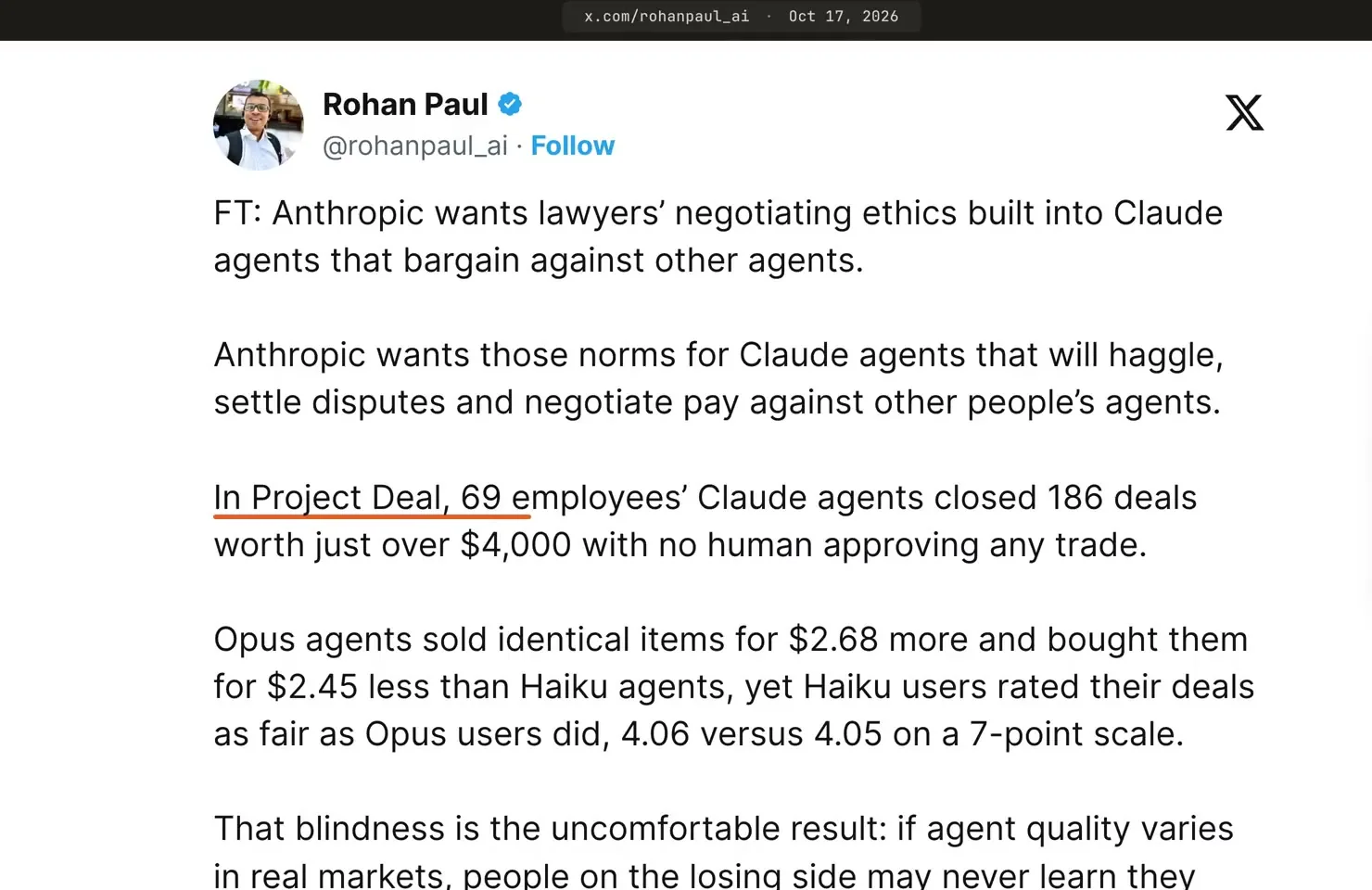
Nick suggests trying this on Facebook Marketplace. The broader lesson: when money is on the table, use the strongest model you can, because a weaker agent’s losses are invisible to you.
Part IV — Science and Health
Here the scale changes: teams of agents work through more material than any human could read.
12. About 30 agents on one cancer case
Nick calls this case very serious. Miriam, a 35-year-old software engineer, learned she had stage four breast cancer, together with a rare tumor. Stage four is one of the hardest forms to treat.
She did not cure her cancer on her own, and nobody claims that. What she did was set up a team of about 30 Claude agents to investigate her case. That work led to a biopsy plan that a laboratory at Dana-Farber tested and then improved. Anthropic then gave her $30,000 in Claude credits. The possible outcome is a personalised vaccine for late-stage disease, and Nick notes that similar personalised therapy is already being explored for pets with cancer.
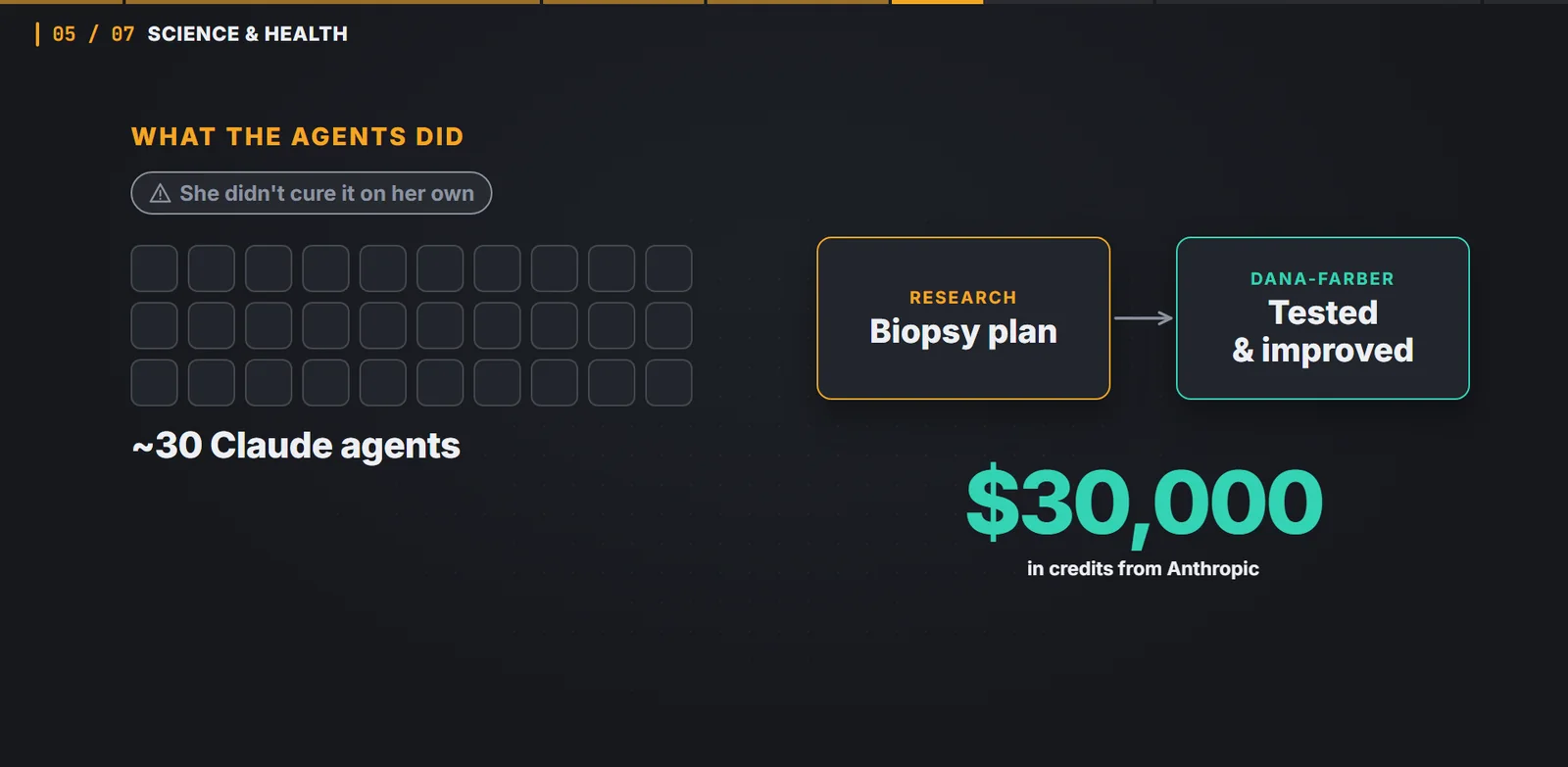
This is research support, not treatment. The agents helped a patient ask better questions; the lab did the testing.
13. A one-person biotech company
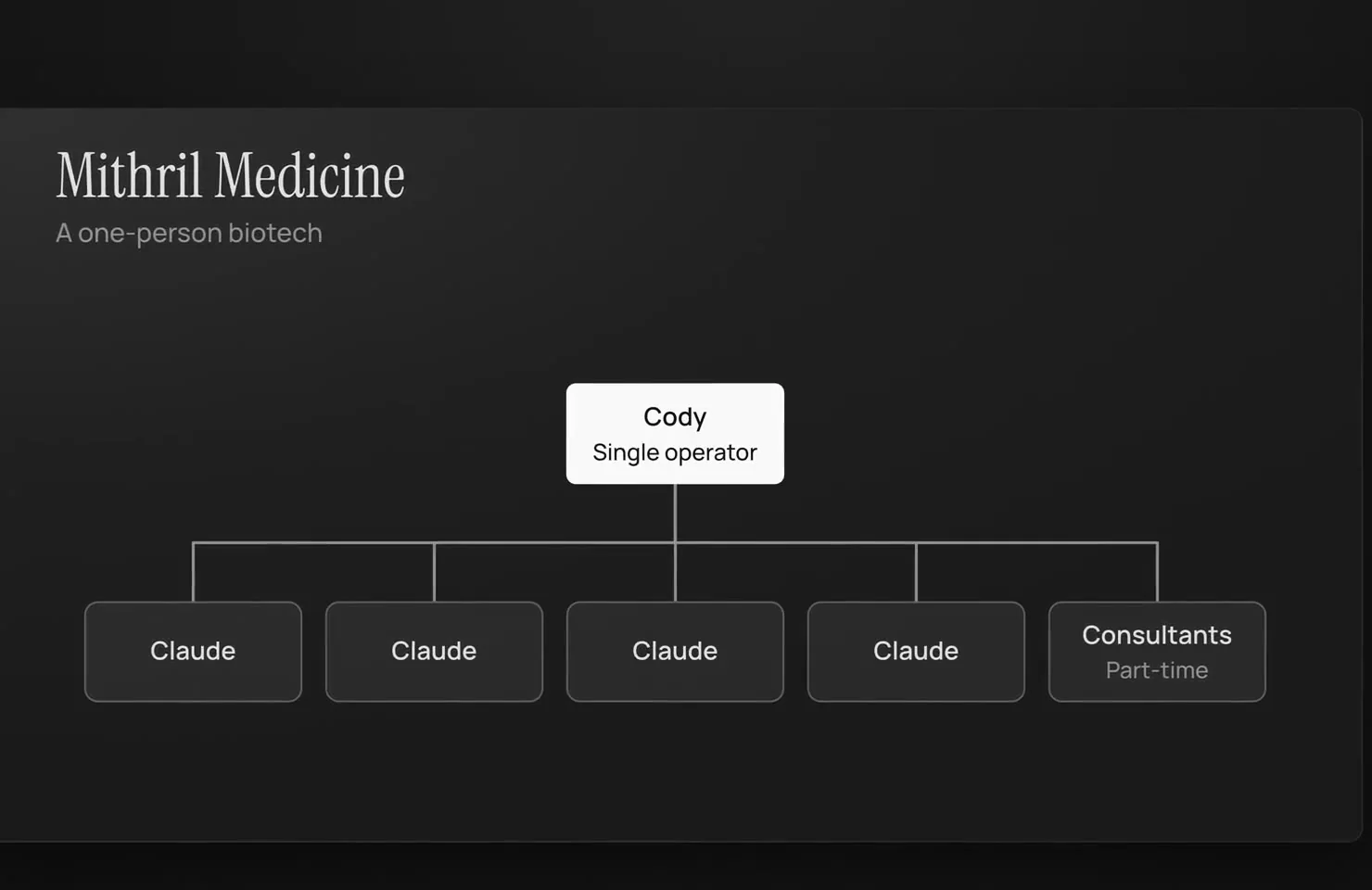
A founder named Cody ran an entire biotech company as its only employee, with a crew of Claude agents and some outside help. After a year and a half, Anthropic acquired the company in October. Nick’s emphasis: this was a company made of one person and his agents, and it did not need a smarter model than the ones available now.
14. Find a planet candidate in NASA data
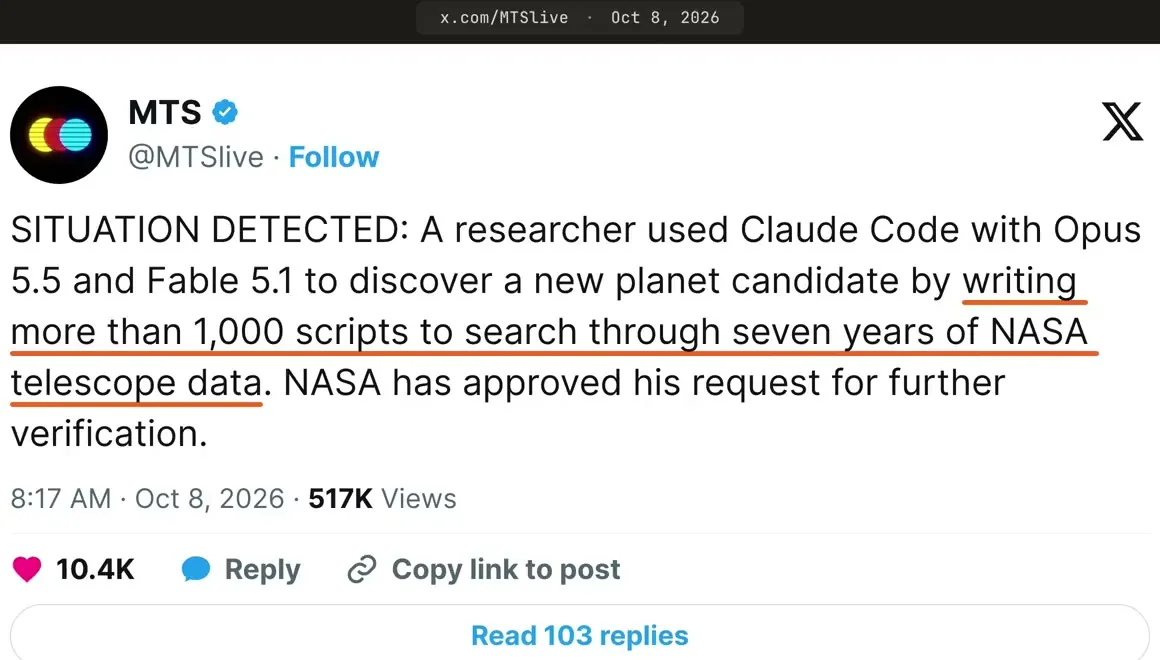
A researcher tasked Claude with writing more than a thousand scripts to analyse seven years of NASA telescope data. Claude pulled together data that nobody had combined before, which led to the discovery of a planet candidate. The next morning, someone else repeated the approach and found two more.
15. Discover a new CRISPR-like enzyme
Anthropic itself sent roughly a thousand Claude agents through a huge database of DNA (the diagram in the video says 950 agents over 21 hours). They found a previously unknown enzyme system, hidden in the DNA of bacteriophages, with a structure that looks somewhat similar to CRISPR. Nobody knows yet what it does, but systems like this have historically become tools for cutting and editing DNA.
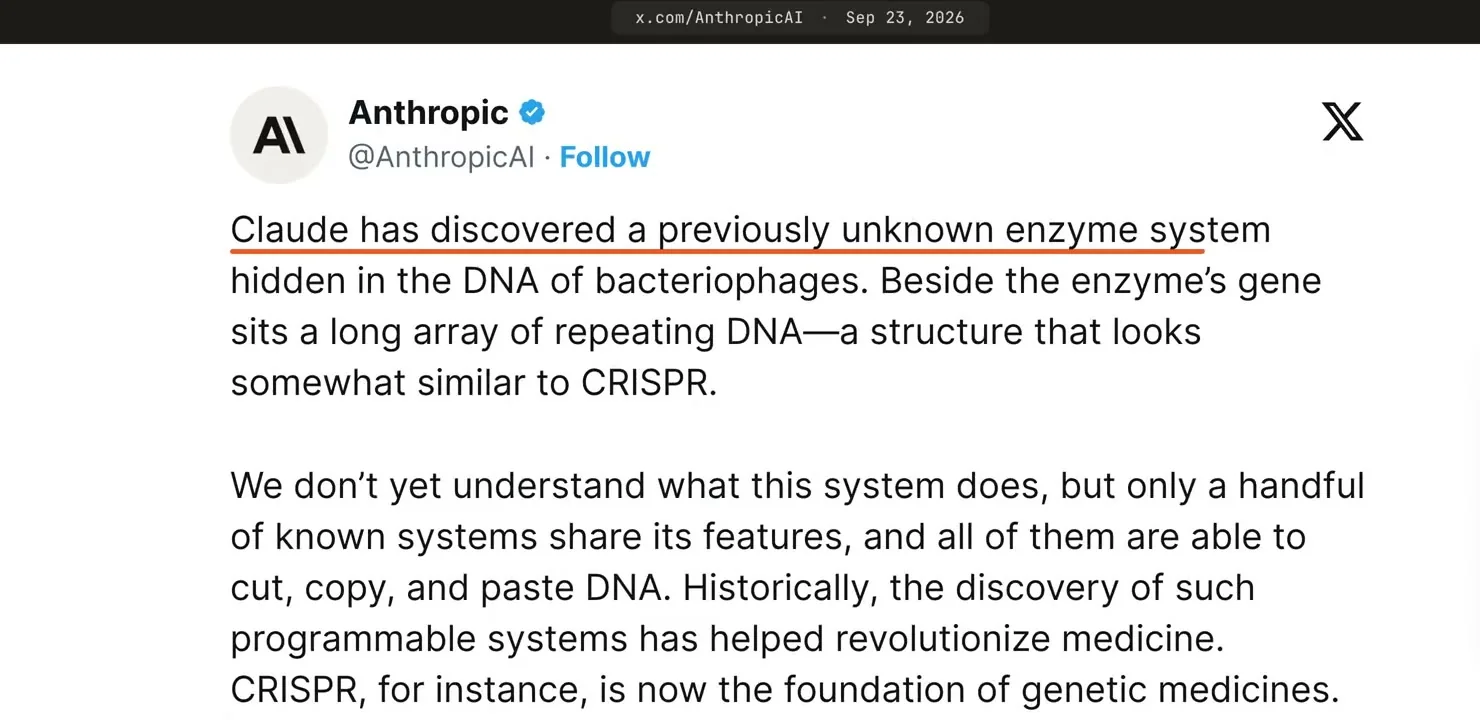
The lesson of Part IV: there are probably many discoveries sitting in data sets that are simply too big for people to read. A team of agents can read all of it.
Part V — Family, Learning and Play
16. Translate a favourite game for a child
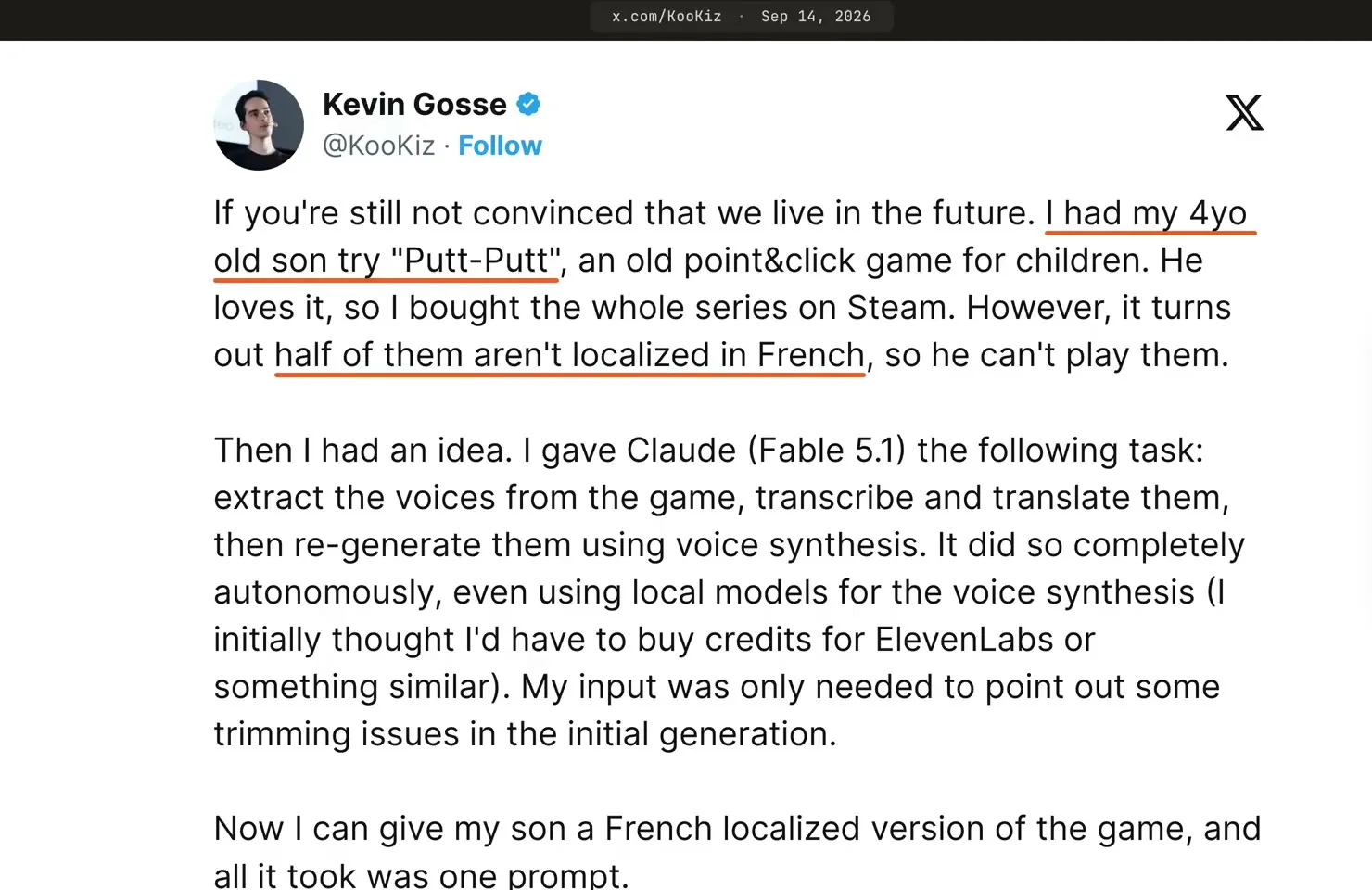
A parent had a 4-year-old who loved an old point-and-click children’s game, but half of the series was never released in French, the family’s language. They asked Claude to extract all the voices from the game, translate them and dub them again. Claude did it on its own, using free local voice models rather than a paid voice service. The child now has a game he can understand and play.
17. A 9-year-old builds a website by talking
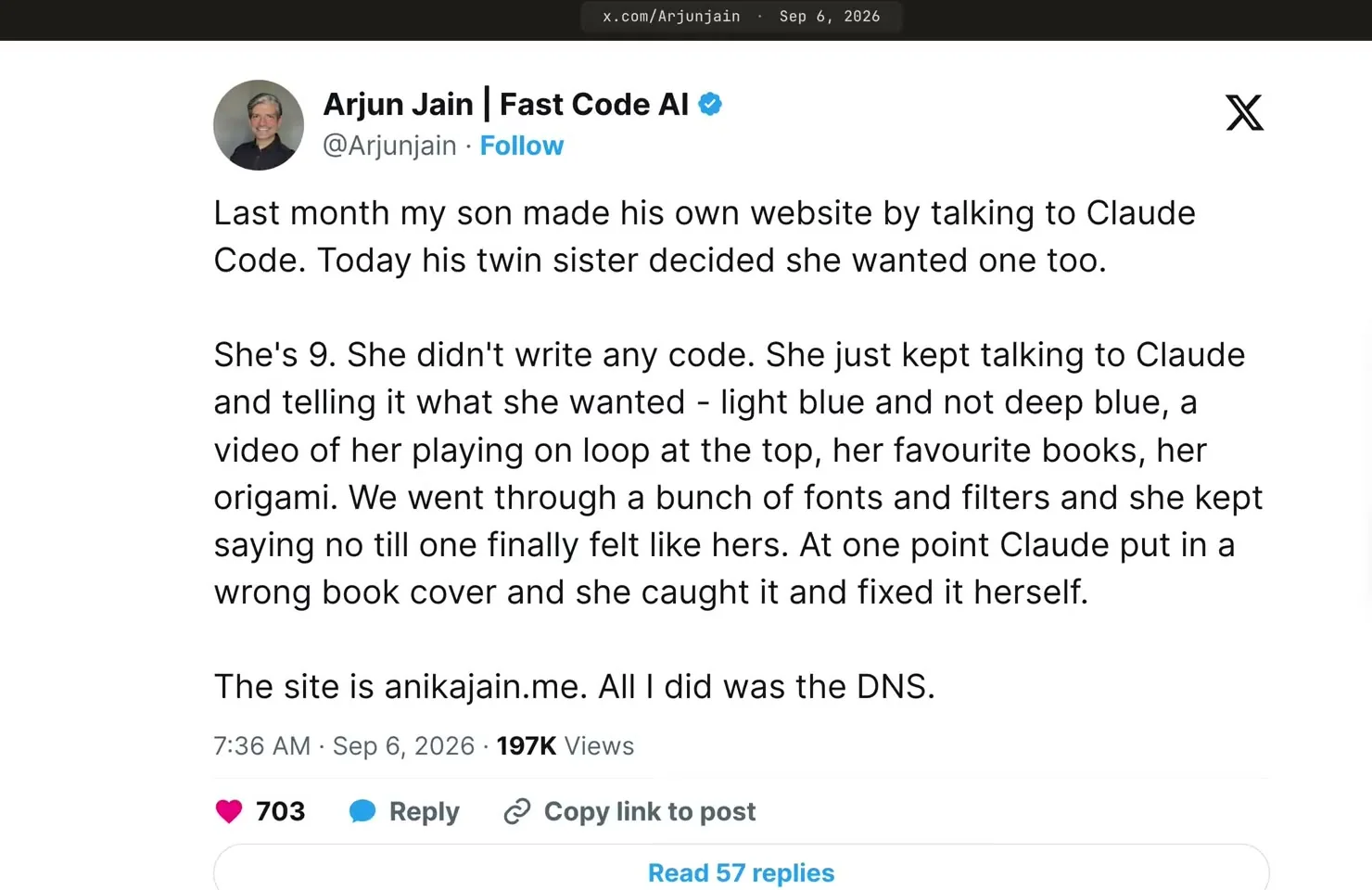
A 9-year-old made a personal website just by talking to Claude about what she wanted: light blue, not deep blue, a video of her playing at the top, her favourite books, her origami. She did not write any code. The parent’s only job was the domain setup.
18. Plan a room in 3D before you buy
A couple was not sure a new bed would fit their daughter’s room. They gave Opus 5.5 the room’s dimensions, four photos and a description, and Claude built a 3D room planner they could virtually walk through. Nick built a similar virtual gallery to place photo frames around his home before ordering them.
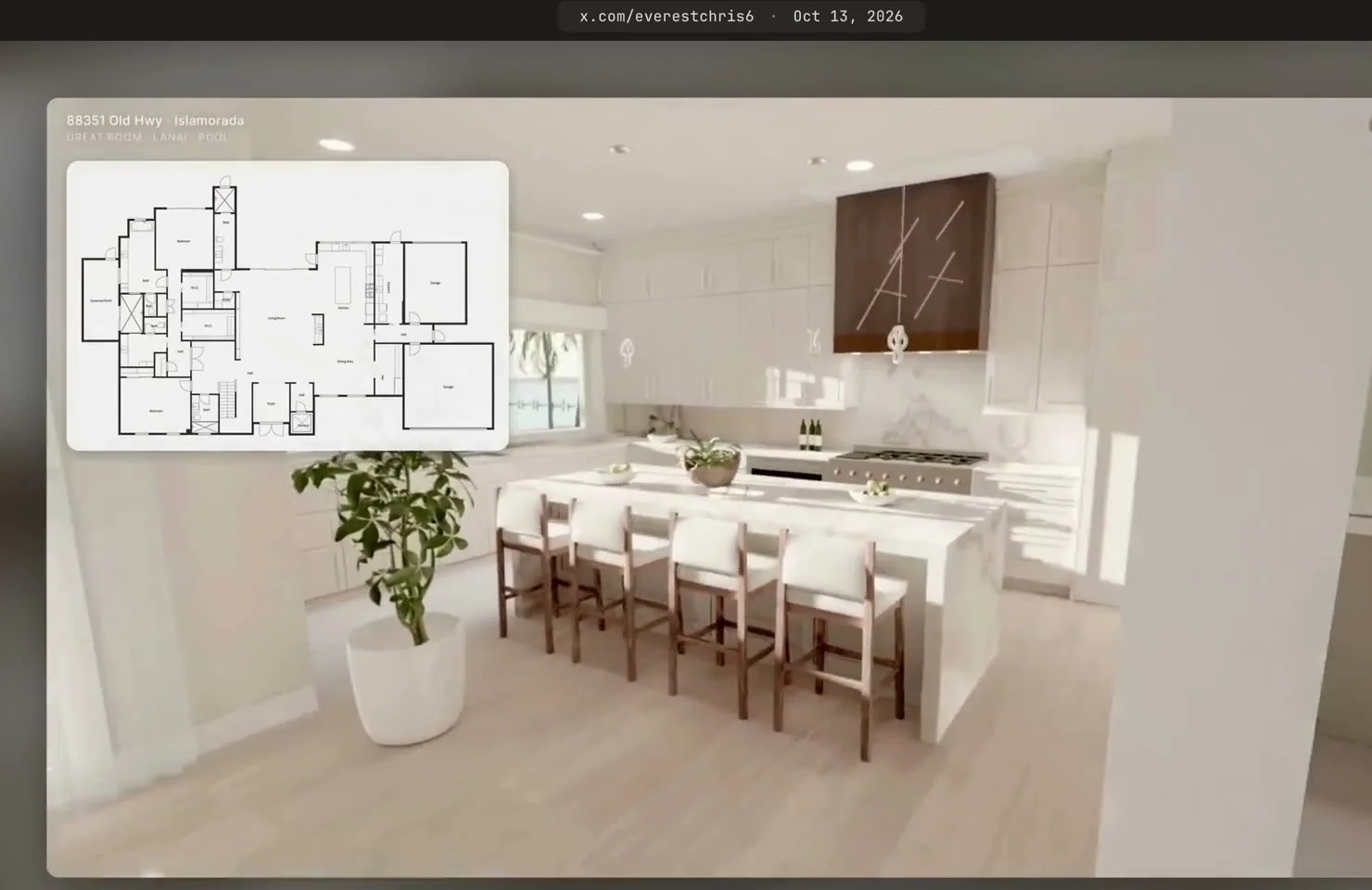
The same idea scales up to construction. Give Opus 5.5 a floor plan and a few photos and it can build a 3D model of a house you can walk through before the builders start. Nick estimates you can build this today for about $5 in tokens.
19. Trace your family tree
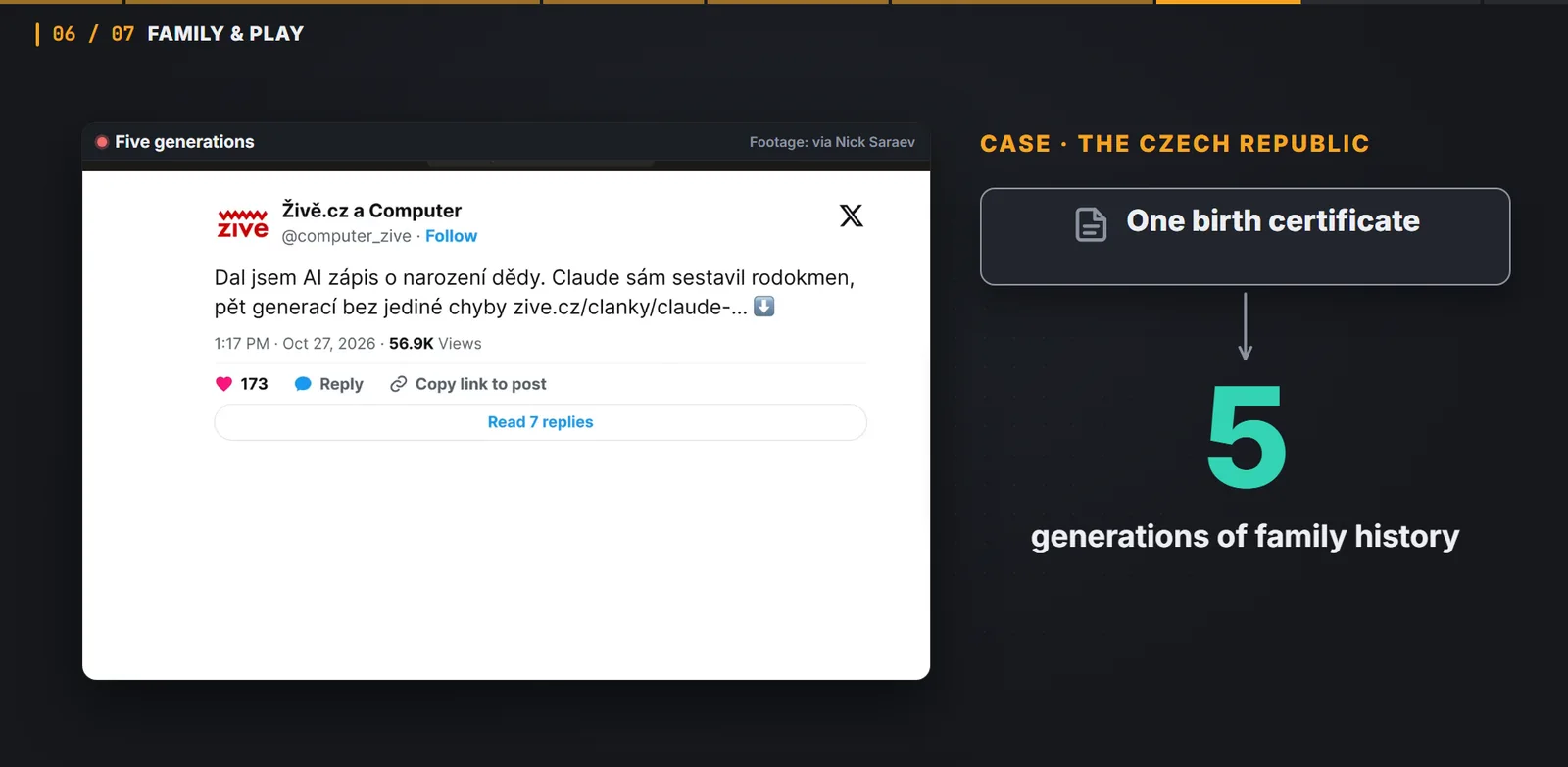
Someone in the Czech Republic gave Claude a birth certificate and asked: “Can you find my family tree?” Claude traced the family back five generations. They knew none of it before, and now have whole branches of the family to study.
20. Learn to fly drones without crashing one
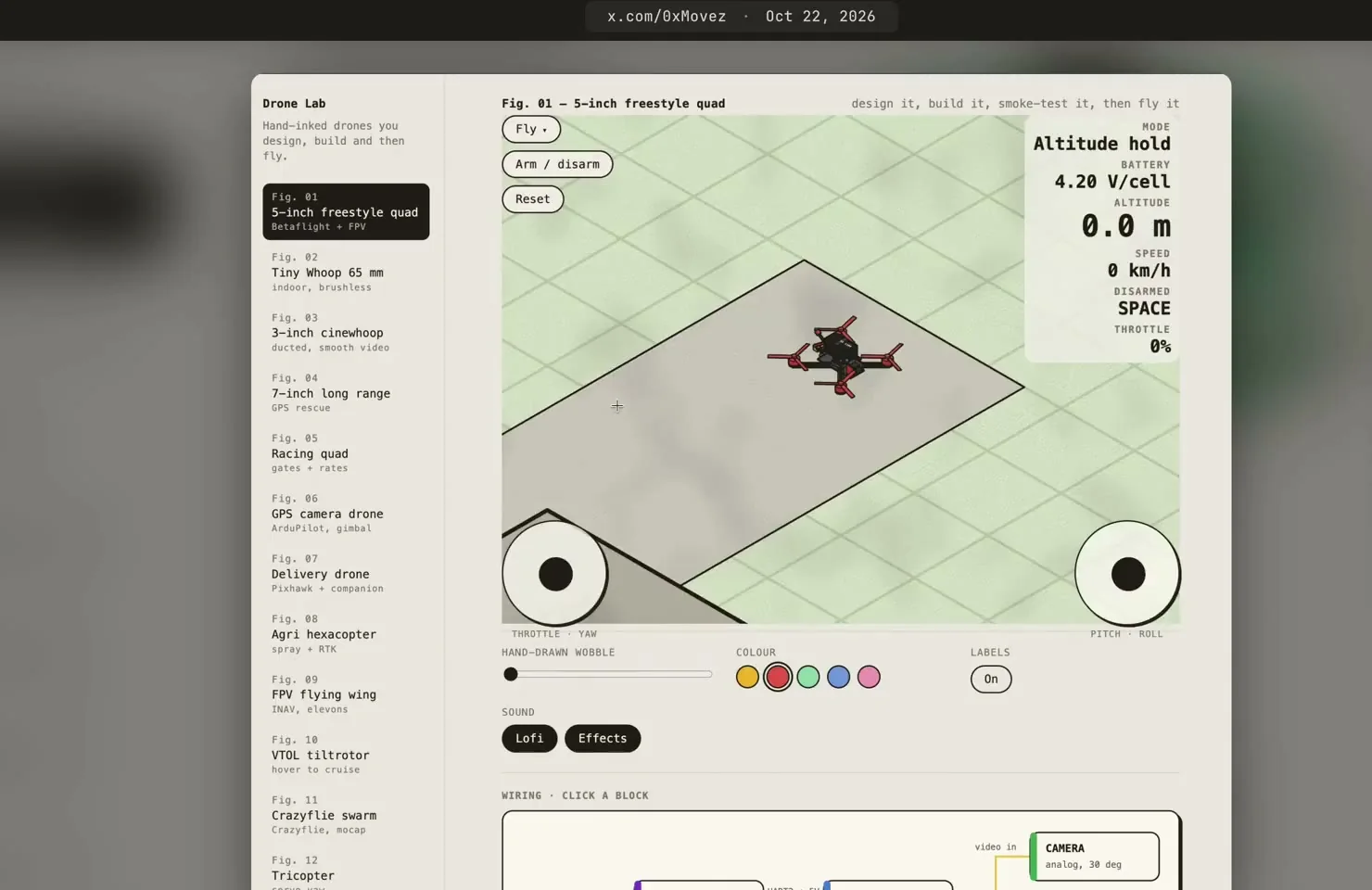
One person found a way to learn drones without buying one first, or risking it. They asked Claude for a website where you assemble a drone piece by piece and then test it in a simulation, with controls that closely match a real drone. When you finally hold a real controller, Nick says, it feels like you already have 10,000 hours in a flight simulator.
21. Turn 40 hours of podcasts into a playbook
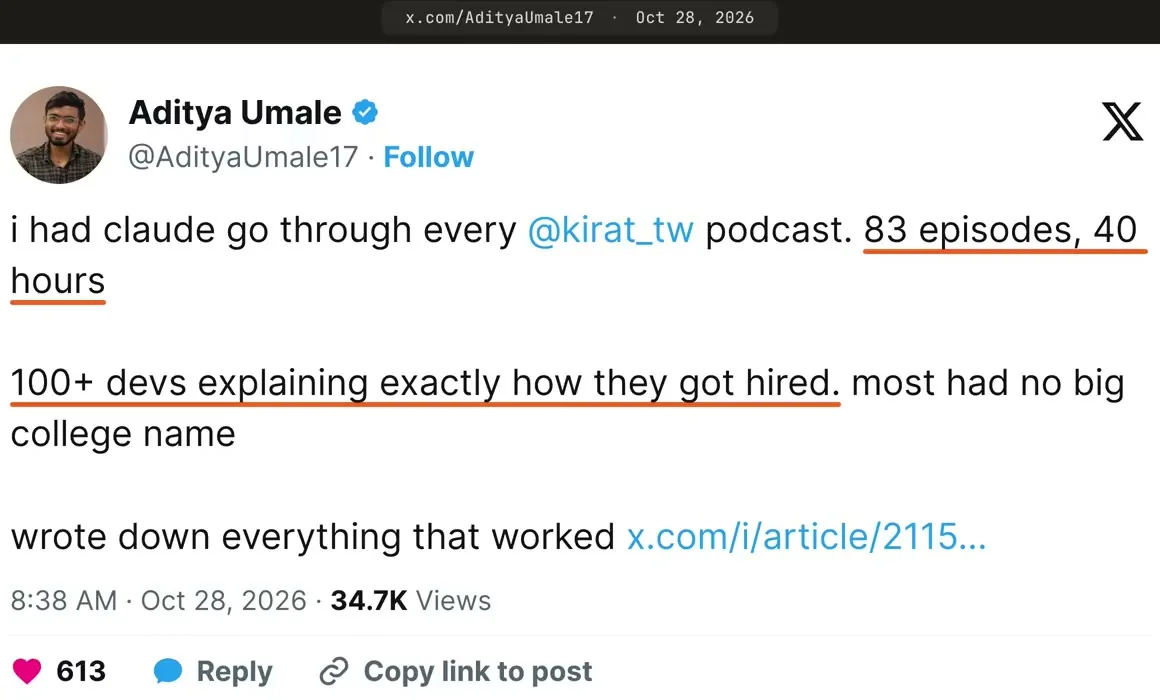
Experts usually explain things most simply. One person fed Claude 40 hours of podcasts in which developers explained how they got hired: the steps, the mindset and so on. Claude digested all of it into a short guide. Nick estimates the information density is about a hundred times higher than listening to the podcasts.
22. Bring old games back
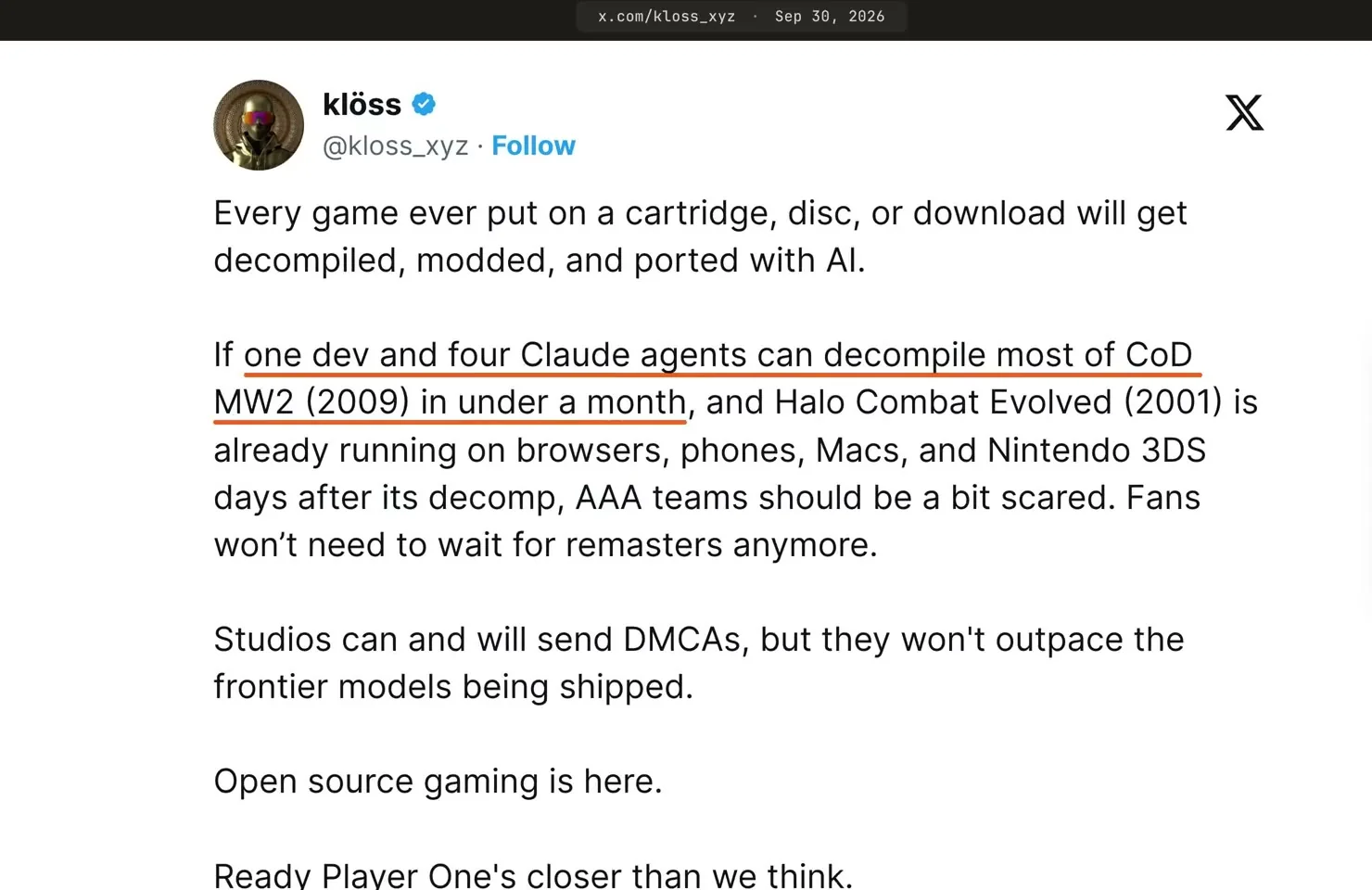
Nick loved Call of Duty: Modern Warfare 2, and he is not alone. One developer decompiled almost all of it in about a month with Claude agents. Others use Claude to revive dead Nintendo 3DS games and to restore the older look of The Witcher 3. Porting is easier too: instead of an emulator, you can plug in old hardware and ask Claude, “What do I need to connect to it so you can read it? And can you help me rework this?”
23. Find the game nobody has made
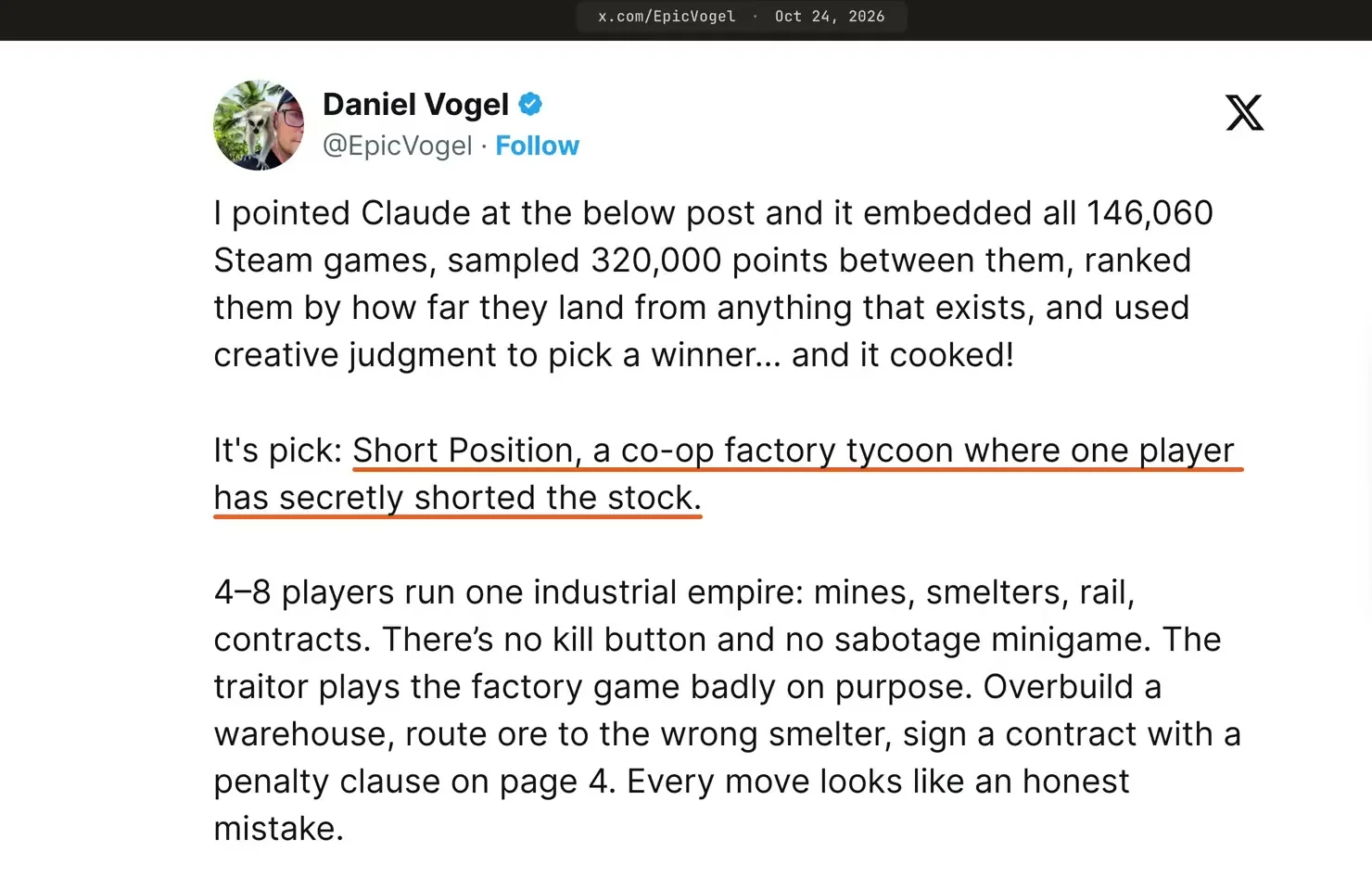
The last case is for creators and business owners deciding what to make next. One person mapped about 150,000 Steam games (146,060 in the post) onto a multidimensional graph and asked Claude to find the gaps between them that nobody had filled. Claude’s pick was “Short Position”: a co-op factory game in which one player is secretly betting against the company’s stock, a kind of detective mystery. The same gap-finding works for almost any business.
All the Cases at a Glance
| Case | What Claude was given | What came out |
|---|---|---|
| Smart TV | The store listing and model number | No ads; a new home screen and screensaver |
| Kindle | A USB connection | Amazon extras removed; a home dashboard |
| Wi-Fi router | A photo and the settings | 8x faster, for free |
| iPad and BlackBerry | Old devices | A wall panel; a $60 pocket terminal |
| Dictation gadget | “Can we build this?” | Parts, circuit, firmware, 3D-printed case in days |
| Drone and printer | A spare phone, a receipt printer | A security patrol; a morning paper |
| Hot Mac | A request for a temperature monitor | A hidden crypto miner on all 12 cores |
| Honda Civic | The head unit | An always-on assistant, a call recorder, a backdoor |
| Hotel room | The network and the phone | Cameras, trackers and spyware checked |
| Subscriptions | The apps being paid for | Own versions; bills down to about eight |
| Project Deal | 69 employees’ buying and selling | Almost 200 deals; stronger model, better prices |
| Cancer research | One patient’s case | About 30 agents; a biopsy plan tested at Dana-Farber |
| Biotech | A one-person company | Acquired by Anthropic after a year and a half |
| Astronomy | Seven years of NASA data | A planet candidate, then two more |
| Biology | A huge DNA database | A new CRISPR-like enzyme system |
| Family and play | Photos, voices, plans, documents, podcasts | Games, websites, 3D rooms, family trees, playbooks |
The prompts behind the cases
Most of the requests quoted in the video are one sentence long:
| Goal | What was asked |
|---|---|
| Remove TV ads | “Hey, can you hack this TV and remove all the ads?” |
| Free an old device | “Hey, can you hack this?” |
| Build a gadget | “Hey, can we build this?” |
| Home security | “Can you turn this thing into a home security drone?” |
| Check a hot computer | “Build me a simple temperature monitor.” |
| Replace a subscription | “Hey, could you create a replacement app for me based on this?” |
| Family history | “Can you find my family tree?” |
| Port old hardware | “What do I need to connect to it so you can read it? And can you help me rework this?” |
Final Perspective
Nick ends by noting that others have used Claude to get fit, track glucose and analyse their genome, work he says doctors might charge tens of thousands of dollars for, on a $20 subscription.
The common thread is not the model; as Nick says, you don’t need a smarter model. Every case had a person who knew what to ask and gave Claude access to the real thing: the device, the data, the document. The habits that follow:
| Habit | Why it matters |
|---|---|
| Start from an annoyance | Concrete problems give Claude a clear goal and you a clear test |
| Give access, not descriptions | A cable, a photo or a file beats a paragraph of explanation |
| Set hard rules for anything sensitive | “Read only” and “explain before you run” keep audits safe |
| Use the strongest model when money is involved | Project Deal showed weaker agents lose without noticing |
| Use teams of agents for big data | Too much to read for people is not too much for agents |
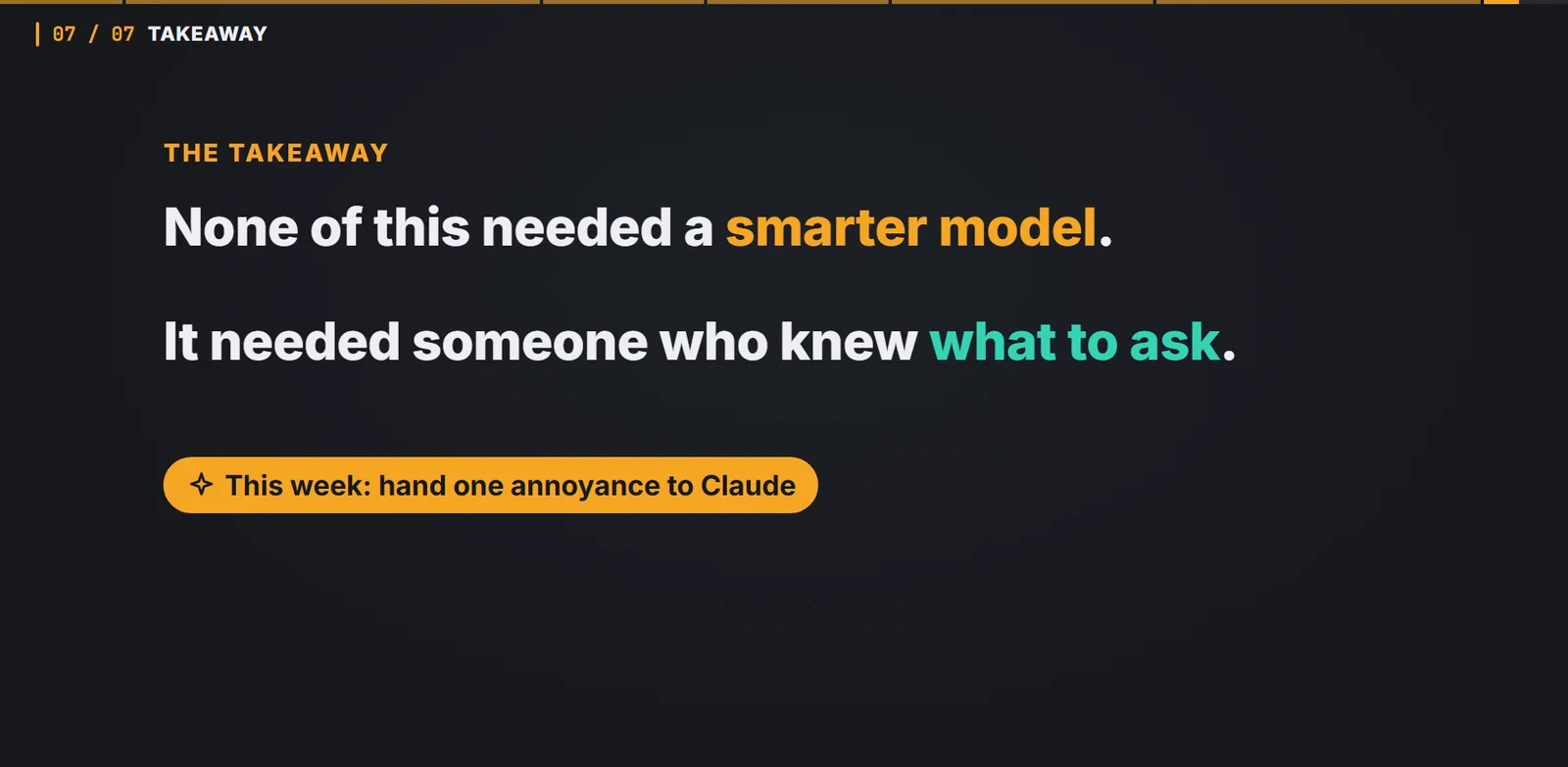
Pick one annoyance in your own life this week, whether a slow router, an app that started charging or a box of family documents, and hand it to Claude.
Quick Reference
| If you want to… | Give Claude… | Ask for… |
|---|---|---|
| Get rid of bloat on a device | A USB connection or the model number | Removal of ads and junk apps, explained step by step |
| Speed up home hardware | A photo and access to the settings page | An audit of what slows it down, then fixes |
| Reuse an old tablet or phone | The device and what you want on screen | A dashboard or wall panel |
| Check for spying | Your network, your phone, your car’s computer | A read-only audit and a report |
| Stop paying for an app | The app’s main features | Your own version, or an open-source one customised |
| Negotiate | Your budget and the listing | A haggle, on the strongest model |
| Research a hard question | All the documents and data | A team of agents, each with one part |
| Plan a room or a house | Measurements, photos, a floor plan | A 3D model you can walk through |
| Learn fast | Long recordings from experts | A short, dense playbook |
| Find a new idea | A map of everything that already exists | The gaps nobody has filled |
Further Reading and Source Notes
- Source video: “33 Life-Changing Ways to Use Claude in 2027” by Nick Saraev (Nick links copy-paste prompts for every case in the video description).
- Video summary by AIBotRadar: “33 Real Ways People Use Claude, Sorted by What They Save You”.
- The cases are public posts and demos by their authors, as shown in Nick’s video. Screenshots are frames from the original video, shown for commentary and education with credit to Nick Saraev; diagrams are original.
- Numbers come from the video’s narration or from the posts visible on screen, as noted in the text. Where the two differ (for example, about 1,000 agents in the narration and 950 in the diagram), both are given.
- Left out on purpose: a dating-app automation (for ethical reasons), an overnight camera photographer, and one-line mentions of marketing research, fitness and genome analysis.
- The cancer case is one person’s research journey, not medical advice. Talk to a doctor about any treatment decision.
Educational summary and commentary. The cases are public posts by their authors, shown in the original video; results are theirs, not tested by us. Hacking a device you own may void its warranty, and nothing here is medical advice.